Hey there! I'm a supplier of recon plywood and red plywood. Today, I wanna talk about the disadvantages of these two types of plywood. You know, while they've got their perks, it's important to be aware of the downsides too, especially if you're thinking about using them for your projects.
Let's start with recon plywood. One of the main disadvantages is its relatively lower strength compared to some other types of plywood. Recon plywood is often made from recycled wood materials, and during the recycling process, the wood fibers can get a bit damaged. This means that it might not be as strong as plywood made from virgin wood. For example, if you're using it in a structural application where it needs to bear heavy loads, like in a large - scale construction project, recon plywood might not be up to the task. It could potentially warp or break under pressure, which is definitely not what you want when you're building something that needs to last.
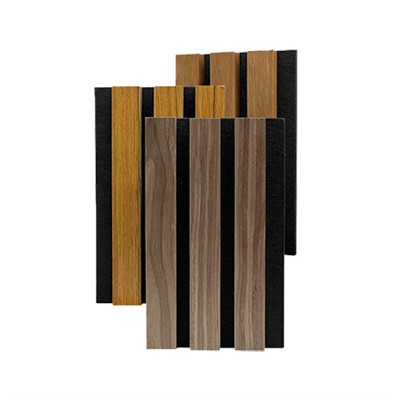
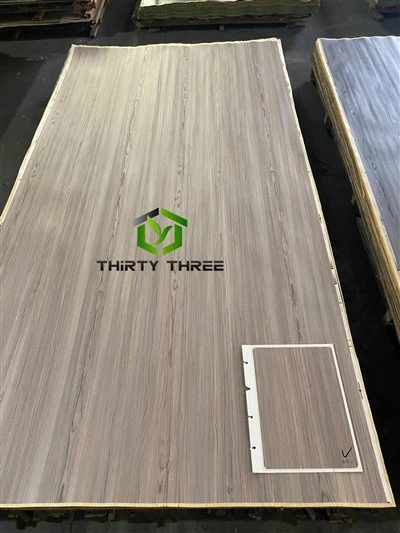
Another issue with recon plywood is its appearance. Since it's made from recycled materials, the surface might not be as smooth or uniform as that of high - quality red plywood. There could be visible knots, cracks, or discolorations on the surface. This can be a big problem if you're using it for applications where aesthetics matter, like in furniture making. You wouldn't want a piece of furniture with an uneven or blemished surface, right? It can really affect the overall look and appeal of the final product.
In terms of durability, recon plywood also has its limitations. The recycled wood might be more prone to moisture damage. If it's exposed to a humid environment or gets wet, it can start to rot or develop mold. This is a major concern, especially in areas with high humidity or where the plywood will be in contact with water, such as in bathrooms or kitchens. You'd have to take extra precautions to protect it, like applying a waterproof coating, which adds to the cost and effort.
Now, let's move on to red plywood. Red plywood is known for its beautiful color and relatively good strength, but it also has its fair share of disadvantages. One of the biggest issues is its cost. Red plywood is often more expensive than recon plywood. The raw materials used to make red plywood, usually high - quality redwood, are more costly. This can be a significant drawback if you're working on a budget. For small - scale projects or DIY enthusiasts, the high cost might make red plywood an unaffordable option.
Another problem with red plywood is its environmental impact. Redwood is a natural resource, and the harvesting of redwood for plywood production can contribute to deforestation. If not managed properly, it can lead to the destruction of natural habitats and a loss of biodiversity. As more and more people are becoming environmentally conscious, this is a major concern. You might feel guilty about using red plywood knowing that it could be contributing to environmental problems.
Red plywood is also more difficult to work with compared to recon plywood. It's a denser wood, which means it can be harder to cut, drill, and shape. You'll need more powerful tools and more skill to work with it effectively. If you're a beginner in woodworking, this can be quite frustrating. You might end up making mistakes or damaging the plywood, which is not only wasteful but also adds to the cost.
In addition, red plywood can be more susceptible to insect damage. Redwood is a favorite food source for some insects, such as termites. If it's not properly treated, it can be easily attacked by these pests. This can weaken the plywood over time and compromise its structural integrity. You'd have to invest in pest control measures, which again, adds to the overall cost.
Despite these disadvantages, both recon plywood and red plywood still have their uses. Recon plywood is a great option for non - structural applications where cost is a major factor, like in temporary partitions or some types of packaging. Red plywood, on the other hand, is ideal for high - end furniture and decorative projects where appearance and strength are important.


If you're interested in learning more about our recon plywood and red plywood products, check out these links: Wholesale Engineered Veneer Recon Veneer Plywood for Furniture, 2mm 4 X 8 Poplar Core Recon Plywood From China, and 1.5mm Recon Poplar Veneer Plywood for Decoration Furniture.
If you're thinking about making a purchase, don't hesitate to get in touch for a detailed discussion. We can help you figure out which type of plywood is best for your specific needs, taking into account the disadvantages we've talked about. Whether you're a contractor, a furniture maker, or a DIYer, we're here to assist you in making the right choice.
References
- Wood Technology: From Log to finished Product, by Bruce Hoadley
- Plywood Handbook: A Guide to Understanding and Using Plywood, by the American Plywood Association