Hey there! I'm a supplier of Recon Face Veneer Dyed Colored Poplar Veneer, and today I'm super stoked to dig into how the patterns of our amazing product can vary.
First things first, let's talk about what Recon Face Veneer Dyed Colored Poplar Veneer is. It's a really cool material. Poplar wood is used as the base, and then it goes through a process of dyeing and being crafted into a veneer. This veneer can be used for all sorts of stuff, like on Recon Face Veneer Dyed Colored Poplar Veneer plywood to make it look way better and more unique.
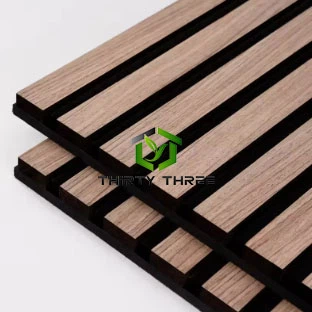
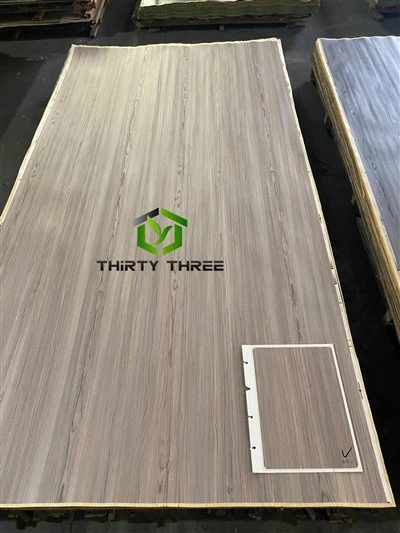
One of the main factors that affect the pattern variation is the natural grain of the poplar wood itself. Poplar trees have different growth patterns, and these are reflected in the wood. Some trees grow in a more straight - grained way. When we make veneer from this kind of wood, the pattern on the veneer will be relatively simple and linear. It gives a very clean and modern look. It's great for those who want a minimalist design in their furniture or interior decoration.
On the other hand, there are poplar trees with more irregular or curly grains. The veneer made from this type of wood will have a much more intricate and eye - catching pattern. The curls and waves in the grain can add a sense of movement and depth to the surface. It's like having a piece of art right on your furniture. This kind of pattern is perfect for creating a focal point in a room, like a statement piece of furniture.
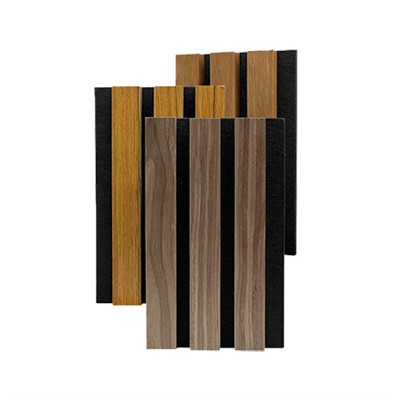
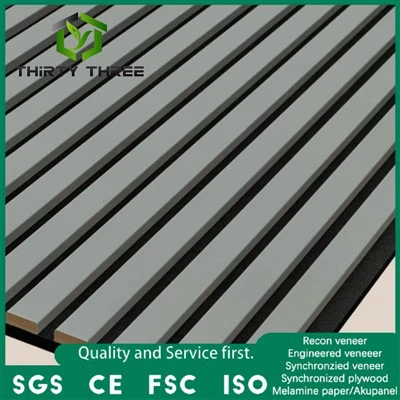
Another thing that plays a big role in pattern variation is the dyeing process. We can use different types of dyes and different dyeing techniques. For example, if we use a solid - color dye, the pattern will be more about the natural grain showing through the color. A deep, rich color like a dark stain can make the grain stand out more, almost like a shadow play on the surface.
But we also do more complex dyeing. We can create ombre effects, where the color gradually changes from one end of the veneer to the other. This adds an extra dimension to the pattern. It might go from a light shade to a dark shade, or vice versa. Imagine a piece of furniture with an ombre - dyed Recon Face Veneer Dyed Colored Poplar Veneer. It would look like it's glowing or fading, depending on the light.
Blended dyeing is another option. We can mix different colors together on the veneer. This can create a marbled or speckled effect. It's a bit like a paint - mixing experiment on the wood surface. The result is a truly unique pattern that you won't find anywhere else.
The way we slice the poplar wood also impacts the pattern. There are different ways to slice the wood to get the veneer. The most common are plain - slicing and quarter - slicing.
Plain - slicing is when the log is sliced parallel to the growth rings. This usually gives a wide, open grain pattern that shows off the natural flow of the wood. It's the most straightforward way of slicing, and it results in a pattern that looks a bit like ripples on a pond.
Quarter - slicing, on the other hand, involves cutting the log into quarters and then slicing the quarters at a right angle to the growth rings. This creates a much more uniform and tight - grained pattern. The rays in the wood are more prominent, and it gives a very refined and elegant look. It's often used in high - end furniture and cabinetry.
Now, let's think about how these pattern variations can be used in different applications. For home furniture, if you're going for a rustic look, an irregularly - grained and deeply - dyed veneer would be ideal. You could use it on a coffee table or a bookshelf to give it that warm, old - fashioned feel.
For a contemporary office space, a straight - grained, lightly - dyed veneer can provide a clean and professional look. It won't be too distracting but will still add a touch of natural beauty to the workspace.
If you're into interior decoration in commercial buildings, like hotels or restaurants, the more elaborate patterns like the ombre or blended - dyed ones can create a really memorable atmosphere. They can be used on feature walls or in custom - made furniture pieces.
We also offer different grades of our Recon Face Veneer Dyed Colored Poplar Veneer. The higher - grade veneers have more consistent and beautiful patterns. They are less likely to have any visible flaws or irregularities. These are great for high - end projects where quality and appearance are of the utmost importance.
The lower - grade veneers, while still having their own charm, might have some minor blemishes or less perfect patterns. But they are also more affordable. They are a great option for projects with a tighter budget or for uses where the veneer won't be in direct view all the time, like on the backs of cabinets or under furniture.
As a supplier, I always get excited when I see our customers' creative use of our veneer. Whether it's a small DIY project or a large - scale commercial installation, the pattern variations of our Recon Face Veneer Dyed Colored Poplar Veneer open up so many possibilities.


We also have some really popular products in our range. For example, the White Recon Poplar Wood Veneer For Plywood is a classic. The white color is super versatile and can fit in with any color scheme. It can be used to create a fresh and modern look in any space.
Our Recon Poplar Wood Veneer For Plywood in general is seen as a high - quality option. It's known for its durability as well as its beautiful patterns. Whether you're a furniture maker, an interior designer, or a DIY enthusiast, our veneer can meet your needs.
If you're interested in using our Recon Face Veneer Dyed Colored Poplar Veneer for your next project, don't hesitate to get in touch. We can provide samples so you can see the different patterns and colors in person. We're here to help you choose the right veneer for your specific requirements.
So, if you have any questions or want to start a procurement discussion, just reach out. I'm always happy to chat about how our product can bring your design ideas to life.
References:
- Wood Handbook: Wood as an Engineering Material by Forest Products Laboratory
- The Complete Guide to Wood Finishing by Bob Flexner