Hey there! I'm a supplier of recon poplar, and today I'm stoked to share with you how to plant recon poplar. Whether you're a newbie gardener or a seasoned pro looking to expand your green thumb, this guide is gonna be super helpful.
Why Choose Recon Poplar?
First off, let's talk about why recon poplar is such a great choice. Recon poplar is known for its fast - growing nature. It can reach maturity relatively quickly compared to many other tree species. This means you'll see results in no time! It's also highly adaptable to different soil types and climates, making it a versatile option for various regions. And if you're thinking about its uses, there's a ton of them. You can check out Grade A Recon Poplar For Plywood Making on our website. We use it a lot in making high - quality plywood, which is in high demand in the construction and furniture industries.
Selecting the Right Location
The first step in planting recon poplar is finding the perfect spot. Recon poplar loves sunlight. It needs at least six hours of direct sunlight per day. So, pick an area in your yard that's nice and open, away from big buildings or tall trees that might cast shade.
Soil is another crucial factor. Recon poplar can tolerate a wide range of soil types, but it thrives in well - drained soil. Avoid areas that tend to get waterlogged because the roots will rot if they're constantly in wet soil. If your soil is heavy clay, you can add some organic matter like compost or aged manure to improve its drainage and fertility.
Preparing the Soil
Once you've found the right location, it's time to prep the soil. Start by removing any weeds, rocks, or debris from the area. You can use a garden hoe or a small digging tool for this. Then, loosen the soil to a depth of about 12 - 18 inches. This will give the roots plenty of room to spread out and grow.
If you're planting multiple trees, space them about 10 - 15 feet apart. This gives each tree enough space to develop a healthy root system and canopy without competing too much for resources.
Choosing Your Recon Poplar Saplings
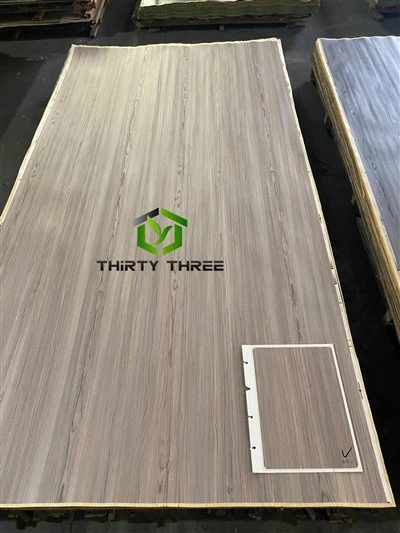
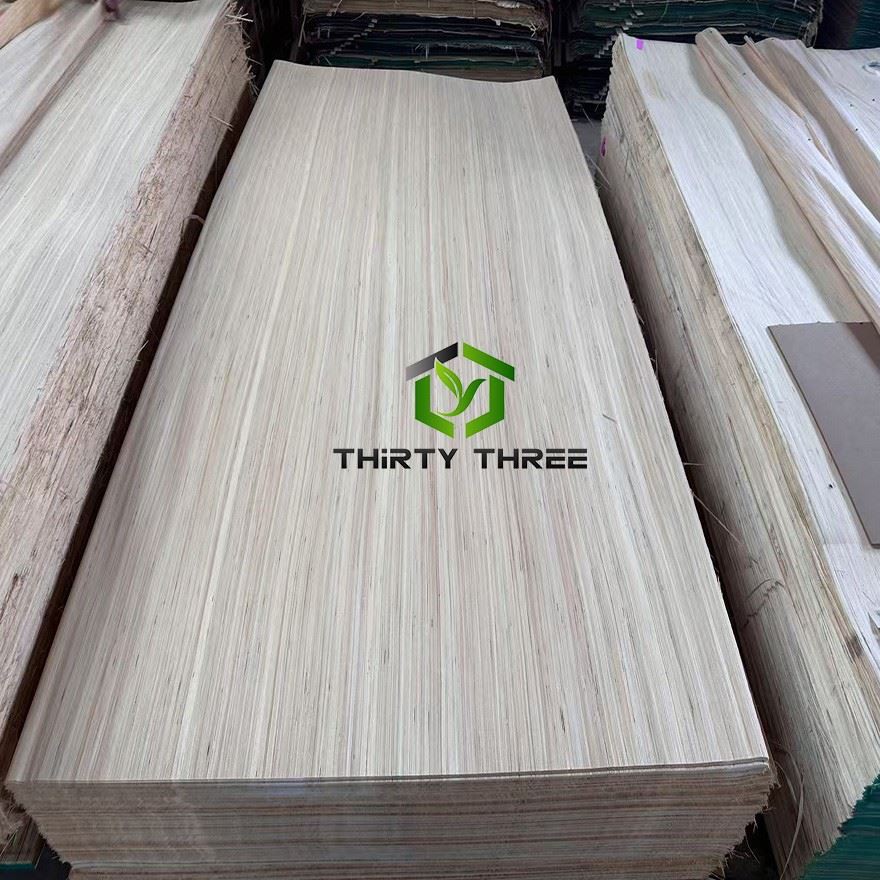
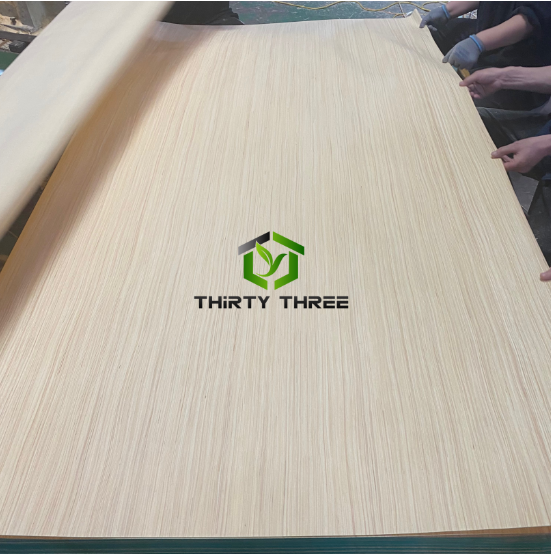
When it comes to picking your saplings, you want to go for healthy ones. Look for saplings that have a straight trunk, green leaves, and no signs of pests or diseases. You can get them from a reputable nursery or, hey, you can even contact us as a supplier. We have high - quality saplings that are ready to be planted. And if you're interested in the veneer aspect, our 0.15mm Long Grain Wood Veneer Recon Poplar Veneer comes from well - grown recon poplar trees.
Planting the Saplings
Now, it's time for the fun part – planting! Dig a hole that's about twice as wide as the root ball of the sapling and just as deep. Gently remove the sapling from its container and loosen any tangled roots. Place the sapling in the hole, making sure it's straight. The top of the root ball should be level with the surrounding soil.
Backfill the hole with the soil you removed earlier, patting it down gently as you go to remove any air pockets. Water the newly planted sapling thoroughly. This helps settle the soil around the roots and gives the tree a good start.
Watering and Maintenance
Watering is key in the early stages of your recon poplar's life. For the first few weeks, water the tree deeply at least once a week. After that, you can gradually reduce the frequency, but make sure the soil doesn't dry out completely. During hot, dry spells, you may need to water more often.
Mulching is also a great idea. Spread a layer of organic mulch, like wood chips or bark, around the base of the tree. This helps retain moisture, suppress weeds, and regulate soil temperature. Just make sure to keep the mulch a few inches away from the trunk to prevent rot.
Pruning is another important aspect of maintenance. In the first few years, you can prune any dead, damaged, or crossing branches. This helps the tree develop a strong structure and encourages healthy growth.
Fertilizing
Recon poplar generally doesn't need a whole lot of fertilizer, but a little boost can go a long way. In the spring, you can apply a balanced, slow - release fertilizer around the base of the tree. Follow the instructions on the fertilizer package for the correct amount.
Dealing with Pests and Diseases
Like any plant, recon poplar can be susceptible to pests and diseases. Keep an eye out for common pests like aphids, caterpillars, and borers. You can use natural pest control methods like introducing beneficial insects or using insecticidal soaps.
For diseases, things like leaf spot or canker can occur. Make sure the tree has good air circulation and avoid over - watering, as these can help prevent many diseases. If you notice any signs of pests or diseases, it's best to address them as soon as possible.
Harvesting and Utilization
If you're planting recon poplar for commercial purposes, you can harvest the trees when they reach the right size. This usually takes a few years, depending on the growth conditions. Once harvested, the wood can be used for a variety of things. As I mentioned earlier, it's great for plywood making. You can also check out our Factory Sale Engineered Wood Veneer With High Quality for more ideas on how to use the wood.
Conclusion
Planting recon poplar can be a really rewarding experience. It's not too difficult to grow, and the benefits are numerous. Whether you're looking to add some greenery to your yard or start a small - scale commercial operation, following these steps will help you have a successful planting.
If you're interested in purchasing recon poplar saplings, veneer, or any of our other products, don't hesitate to reach out. We're here to help with all your recon poplar needs. Let's start this green journey together and make the most of this amazing tree!
References
- Arboriculture textbooks on tree planting and care
- Agricultural extension service guides on poplar cultivation