How does lower factory price recon plywood compare to MDF in terms of properties?
In the dynamic world of construction and furniture manufacturing, the choice between materials is a pivotal decision that can significantly impact the quality, cost, and overall performance of a project. Two widely used materials in these industries are lower factory price recon plywood and Medium - Density Fiberboard (MDF). As a supplier of lower factory price recon plywood, I am often asked about how our product measures up against MDF in terms of various properties. This blog aims to provide a comprehensive comparison to help you make an informed choice.
Physical Structure
Recon plywood is made by gluing together multiple layers of thin wood veneers, with each layer (or ply) typically oriented at a right angle to the adjacent ones. This cross - lamination process gives plywood its strength and stability. The lower factory price recon plywood we supply is crafted with precision, ensuring that each veneer is of good quality despite the affordable price. For example, our 1.5mm 2mm Recon Plywood High Quality is composed of well - bonded layers that contribute to its robust structure.
On the other hand, MDF is an engineered wood product made by breaking down hardwood or softwood residuals into wood fibers, combining them with wax and a resin binder, and then forming panels by applying high temperature and pressure. The result is a homogeneous board with a consistent density throughout.
In terms of strength, plywood generally has better dimensional stability and can withstand greater stress and load, especially when the load is applied parallel to the grain of the outer plies. MDF, while strong in its own right, may not be as resistant to bending and warping under heavy loads due to its uniform structure.
Appearance
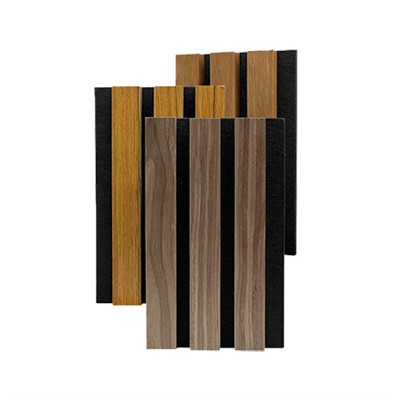
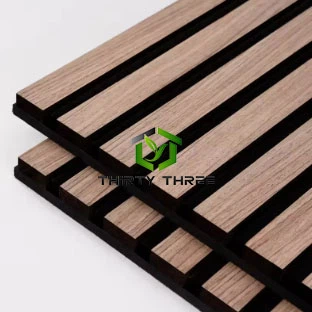
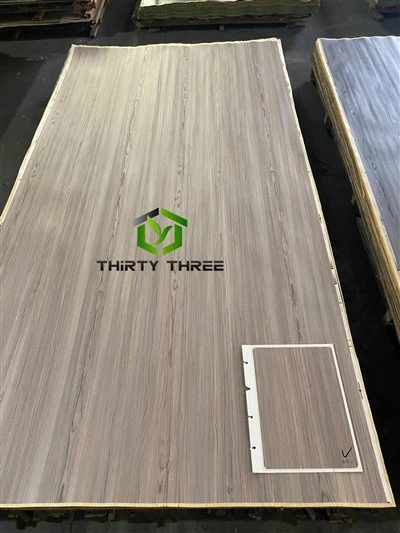
The appearance of a material can be a crucial factor, particularly in applications where the surface is visible. Recon plywood often has a natural wood grain pattern on its surface, which can add a warm, rustic, or elegant look to furniture, cabinets, and decorative elements. Our 1.2mm Wood Veneer Recon Poplar Plywood features a beautiful wood veneer that enhances its aesthetic appeal. The natural variations in the wood grain give each piece a unique character.
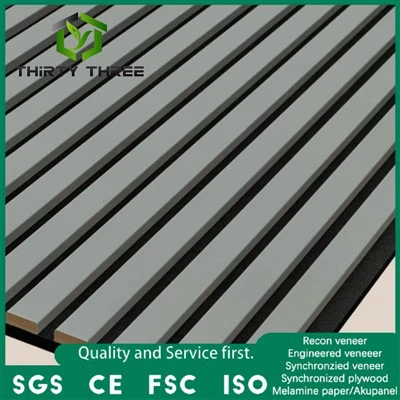
MDF, on the contrary, has a smooth, uniform surface. It does not have the natural grain of wood, which makes it an ideal choice for painting or laminating. If you want a seamless, painted finish without the need to match wood grains, MDF is a great option. However, for those who prefer the organic look of real wood, recon plywood is the clear winner.


Workability
Both recon plywood and MDF are relatively easy to work with, but they have some differences in terms of workability. Plywood can be cut, drilled, and shaped using standard woodworking tools. The cross - laminated structure of plywood makes it less likely to splinter or crack during cutting, especially when using a sharp blade. However, the presence of the wood grain may require some attention when sanding to ensure a smooth finish.
MDF is extremely easy to cut and shape. Its uniform density means that it cuts cleanly and evenly, without the risk of splintering along the grain. It is also very receptive to machining operations such as routing and carving. When it comes to joining, both materials can be joined using nails, screws, or adhesives. However, plywood may require pre - drilling to prevent splitting, especially near the edges.
Moisture Resistance
Moisture resistance is an important consideration, especially in applications where the material may be exposed to humidity or water. Recon plywood has better moisture resistance than MDF due to its layered structure. The glue used in the lamination process helps to seal the wood and prevent moisture from penetrating deeply. However, the edges of the plywood are more vulnerable to moisture, and it is recommended to seal them properly. Our 1.5mm Recon Poplar Veneer Plywood for Decoration Furniture can be treated to enhance its moisture resistance for use in more humid environments.
MDF is highly susceptible to moisture. When exposed to water or high humidity, it can swell, warp, and lose its structural integrity. Special moisture - resistant MDF is available, but it is still not as moisture - resistant as plywood. In areas such as bathrooms, kitchens, or outdoor applications, plywood is generally a more reliable choice.
Cost
As a supplier of lower factory price recon plywood, cost is one of our main selling points. Recon plywood is often more affordable than MDF, especially when considering the long - term value. The lower cost of our recon plywood does not compromise its quality, as we source high - quality wood veneers and use advanced manufacturing techniques. This makes it an attractive option for budget - conscious projects without sacrificing performance.
MDF, on the other hand, can be more expensive, especially if you are looking for high - quality or specialty grades. The manufacturing process of MDF is more complex, which contributes to its higher cost.
Environmental Impact
In terms of environmental impact, both materials have their pros and cons. Recon plywood is made from natural wood, which is a renewable resource. However, the production of plywood requires a significant amount of wood and energy for the gluing process. Our company is committed to sustainable forestry practices, ensuring that the wood used in our recon plywood is sourced responsibly.
MDF is made from wood residuals, which helps to reduce waste. However, the resin binders used in MDF can contain formaldehyde, a potentially harmful chemical. Low - formaldehyde or formaldehyde - free MDF is available, but it may be more expensive.
In conclusion, lower factory price recon plywood and MDF each have their own unique properties and advantages. If you are looking for a material with high strength, natural appearance, and good moisture resistance, recon plywood is a great choice. On the other hand, if you need a smooth, easy - to - work - with material for painting or laminating, MDF may be more suitable.
If you are interested in our lower factory price recon plywood products, we invite you to contact us for further details and to discuss your specific requirements. Our team of experts is ready to assist you in finding the perfect material for your project.
References
- Wood Handbook: Wood as an Engineering Material. Forest Products Laboratory. U.S. Department of Agriculture, Forest Service.
- Engineering Properties of Wood. American Society of Civil Engineers.