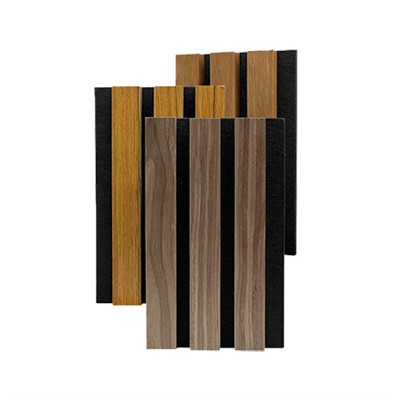
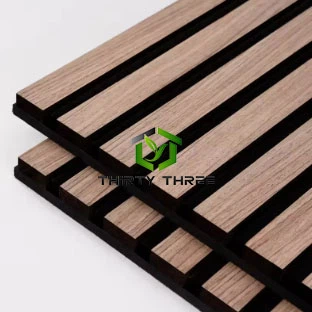
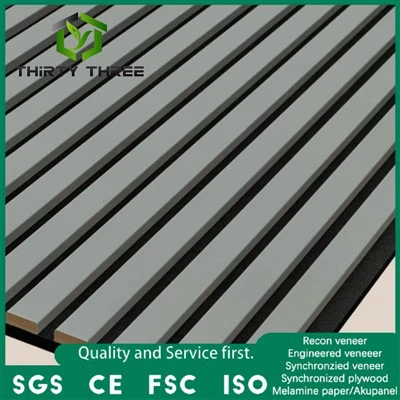
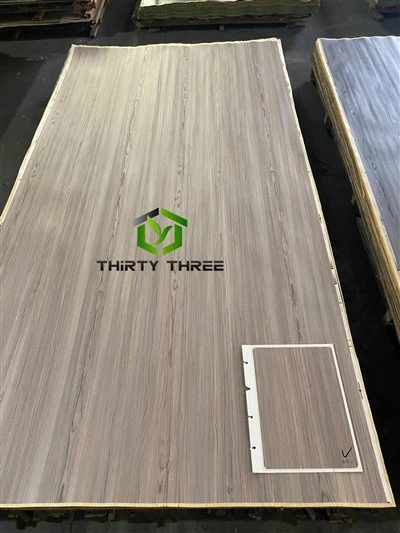
As a supplier of Engineered Recon Veneer for Plywood 48, I've witnessed firsthand the growing interest in this product and the questions that often arise when comparing it to other types of plywood veneers. In this blog, I'll delve into the characteristics, advantages, and differences between Engineered Recon Veneer for Plywood 48 and other common veneers, helping you make an informed decision for your next project.
Understanding Engineered Recon Veneer for Plywood 4*8
Engineered Recon Veneer for Plywood 48 is a revolutionary product in the woodworking industry. It is crafted through a meticulous process that combines advanced engineering techniques with high - quality wood materials. The 48 dimension is a standard size in the plywood market, which offers great versatility for various applications, from furniture making to construction projects.
One of the key features of this veneer is its consistency. Unlike natural wood veneers, which can have variations in color, grain pattern, and texture, Engineered Recon Veneer is engineered to have a uniform appearance. This makes it ideal for large - scale projects where a consistent look is desired. For example, in a commercial building, using Engineered Recon Veneer for all the interior paneling ensures a cohesive and professional aesthetic.
Another advantage is its durability. Engineered Recon Veneer is often treated with special chemicals and coatings to enhance its resistance to wear, moisture, and pests. This makes it suitable for both indoor and outdoor applications. Whether it's used in a humid bathroom or an exterior wall cladding, it can withstand the test of time.
Comparing with Natural Wood Veneers
Appearance
Natural wood veneers are prized for their unique and organic beauty. Each piece has its own distinct grain pattern, color variations, and knots, which can add a touch of luxury and warmth to any project. However, this uniqueness can also be a drawback. When using natural wood veneers for large - scale projects, it can be challenging to find enough pieces with a consistent appearance.
In contrast, Engineered Recon Veneer offers a more predictable and uniform look. It can mimic the appearance of natural wood species, such as oak, walnut, or cherry, but with less variation. If you're looking for a modern and sleek aesthetic, Engineered Recon Veneer might be the better choice.


Cost
Natural wood veneers, especially those from rare or exotic wood species, can be quite expensive. The cost is not only due to the scarcity of the wood but also the labor - intensive process of harvesting and processing. On the other hand, Engineered Recon Veneer is generally more cost - effective. It uses less natural wood and can be mass - produced, which helps to keep the price down. For budget - conscious projects, Engineered Recon Veneer provides a cost - efficient alternative without sacrificing too much on the appearance.
Sustainability
Sustainability is an important consideration in today's market. Natural wood veneers, if sourced from non - sustainable forests, can contribute to deforestation. However, many natural wood veneer suppliers are now offering products from certified sustainable sources. Engineered Recon Veneer also has its own sustainability advantages. It uses less natural wood by recycling and re - engineering wood waste, which helps to reduce the demand for virgin wood.
Comparing with Synthetic Veneers
Realism
Synthetic veneers are made from materials such as plastic or resin, and they are designed to imitate the look of wood. While they have come a long way in terms of realism, they still can't quite match the authenticity of Engineered Recon Veneer. Engineered Recon Veneer is made from real wood fibers, which gives it a more natural feel and appearance. The grain pattern and texture are more convincing, making it a better choice for high - end projects where authenticity is crucial.
Durability
Synthetic veneers are known for their resistance to moisture, stains, and scratches. However, over time, they can start to show signs of wear, such as peeling or fading. Engineered Recon Veneer, with its proper treatment and coating, can also offer excellent durability. It can withstand normal wear and tear, and its natural wood composition gives it a more robust structure compared to synthetic veneers.
Environmental Impact
Synthetic veneers are often made from non - biodegradable materials, which can have a negative impact on the environment. Engineered Recon Veneer, as mentioned earlier, is more sustainable as it uses recycled wood materials. It is a greener option for those who are environmentally conscious.
Applications of Engineered Recon Veneer for Plywood 4*8
Engineered Recon Veneer for Plywood 4*8 has a wide range of applications. In the furniture industry, it can be used to create beautiful cabinets, tables, and chairs. Its uniform appearance and durability make it a popular choice for both residential and commercial furniture.
In the construction industry, it can be used for interior wall paneling, ceiling tiles, and even exterior cladding. Its resistance to moisture and pests makes it suitable for different climates and environments.
Our Product Offerings
We offer a variety of Engineered Recon Veneer for Plywood 4*8 products, including 1.5mm 2mm Recon Plywood High Quality and 1.5mm Wood Grain Thin Wood Veneer Recon Poplar Plywood. Our products are known for their high quality and competitive prices. We also offer Lower Factory Price Recon Plywood for customers who are looking for cost - effective solutions.
Conclusion
In conclusion, Engineered Recon Veneer for Plywood 4*8 offers a unique combination of consistency, durability, and cost - effectiveness. When compared to natural wood veneers, it provides a more uniform appearance and better value for money. Against synthetic veneers, it offers greater realism and a more sustainable option.
If you're interested in our Engineered Recon Veneer for Plywood 4*8 products, we invite you to contact us for more information and to discuss your specific needs. Whether you're a furniture manufacturer, a contractor, or a DIY enthusiast, we're here to provide you with the best solutions for your projects.
References
- Wood Handbook: Wood as an Engineering Material. Forest Products Laboratory.
- Plywood Manufacturing and Technology. Various industry publications.