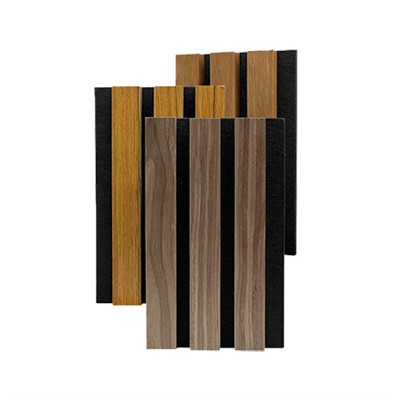
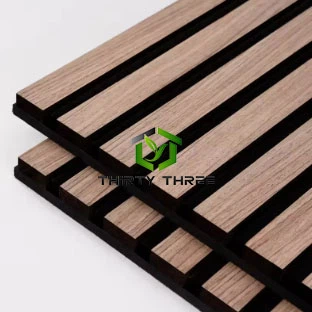
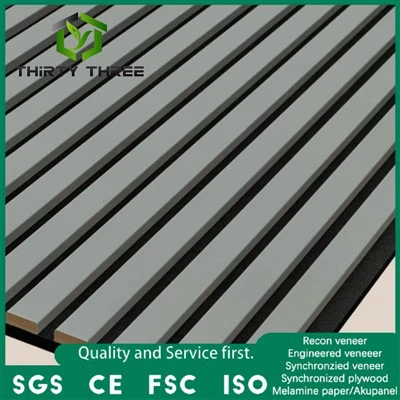
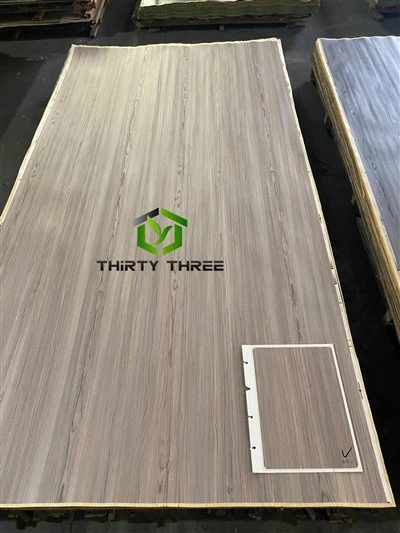
As a supplier of Walnut Natural Wood Akupanel Acoustic Panels, I often encounter inquiries from customers regarding the suitability of these panels for outdoor environments. This blog post aims to provide a comprehensive analysis of whether Walnut Natural Wood Akupanel Acoustic Panels can be used outdoors, taking into account various factors such as the material properties, environmental conditions, and potential challenges.
Material Properties of Walnut Natural Wood Akupanel Acoustic Panels
Walnut natural wood is known for its aesthetic appeal, durability, and excellent acoustic properties. The Akupanel acoustic panels are designed to absorb sound waves, reducing echo and reverberation in indoor spaces. These panels are typically made from high - quality walnut wood veneers bonded to a core material, which enhances their structural integrity and sound - absorbing capabilities.


The natural texture and grain of walnut wood give the panels a warm and inviting appearance, making them a popular choice for interior design projects. However, when considering outdoor use, the material's response to environmental factors such as moisture, temperature changes, and UV radiation becomes crucial.
Challenges of Using Walnut Natural Wood Akupanel Acoustic Panels Outdoors
Moisture and Humidity
One of the most significant challenges of using walnut natural wood panels outdoors is the exposure to moisture. Wood is a hygroscopic material, which means it can absorb and release moisture depending on the surrounding humidity. When exposed to high levels of moisture, the wood can swell, warp, or even rot over time.
In outdoor environments, rain, snow, and high humidity can cause the walnut wood to absorb water. If the panels are not properly protected, this can lead to structural damage and a decrease in their acoustic performance. Additionally, moisture can promote the growth of mold and mildew, which not only affects the appearance of the panels but also poses health risks.
Temperature Changes
Outdoor temperatures can vary significantly throughout the day and across seasons. Extreme heat and cold can cause the wood to expand and contract, leading to cracking, splitting, or delamination of the panels. Walnut wood has a relatively high coefficient of thermal expansion, which means it is more susceptible to dimensional changes compared to some other materials.
For example, in hot summer months, the wood may expand, putting stress on the panel's structure. In cold winter months, the contraction can cause joints to loosen or the wood to crack. These changes can compromise the integrity of the acoustic panels and reduce their effectiveness in sound absorption.
UV Radiation
Ultraviolet (UV) radiation from the sun can also have a detrimental effect on walnut natural wood. Prolonged exposure to UV rays can cause the wood to fade, discolor, and become brittle. The natural oils in the wood can break down, leading to a loss of its luster and durability.
The discoloration not only affects the aesthetic appeal of the panels but can also indicate a deeper degradation of the wood's structure. Over time, the weakened wood may be more prone to damage from other environmental factors such as wind and rain.
Potential Solutions for Outdoor Use
Protective Coatings
Applying a high - quality protective coating to the walnut natural wood panels can help mitigate the effects of moisture, temperature changes, and UV radiation. There are various types of coatings available, including water - based sealants, oil - based finishes, and polyurethane coatings.
Water - based sealants are a popular choice as they are environmentally friendly and provide good protection against moisture. Oil - based finishes can penetrate the wood, enhancing its natural beauty and providing some resistance to UV rays. Polyurethane coatings offer a durable, hard - wearing surface that can withstand outdoor conditions.
However, it is important to note that these coatings need to be reapplied periodically to maintain their effectiveness. The frequency of reapplication depends on the type of coating, the severity of the outdoor environment, and the amount of exposure the panels receive.
Proper Installation
Proper installation is crucial when using walnut natural wood acoustic panels outdoors. The panels should be installed in a way that allows for adequate ventilation to prevent moisture buildup. For example, they can be installed with a small gap between the panels and the wall or structure to allow air to circulate.
Additionally, the panels should be installed on a stable and level surface. If the surface is uneven, it can cause stress on the panels, increasing the risk of damage. It is also important to use appropriate fasteners that are resistant to corrosion, as outdoor environments can accelerate the rusting process.
Shelter and Protection
Providing some form of shelter or protection for the walnut natural wood acoustic panels can significantly extend their lifespan. This can include installing the panels under a roof overhang, a pergola, or a canopy. Shelter can protect the panels from direct exposure to rain, snow, and sunlight, reducing the impact of environmental factors.
Applications Where Walnut Natural Wood Akupanel Acoustic Panels Can Be Used Outdoors
Despite the challenges, there are some outdoor applications where walnut natural wood Akupanel acoustic panels can be used effectively.
Semi - Enclosed Spaces
In semi - enclosed outdoor spaces such as covered patios, verandas, or balconies, the panels can be used to improve the acoustic environment. These spaces are partially protected from the elements, reducing the exposure to extreme weather conditions. The panels can help absorb sound from conversations, music, or other activities, creating a more comfortable and enjoyable atmosphere.
Interior - Like Outdoor Areas
Some outdoor areas are designed to mimic an indoor environment, such as atriums or conservatories. In these spaces, the walnut natural wood acoustic panels can be used to enhance the aesthetic appeal while providing sound absorption. Since these areas are often climate - controlled to some extent, the panels are less likely to be exposed to harsh outdoor conditions.
Comparison with Other Acoustic Panels for Outdoor Use
If you are considering using acoustic panels in an outdoor environment, it is also worth comparing walnut natural wood Akupanel acoustic panels with other options.
Modern Design Wooden Slat Acoustic Wall Panel
The Modern Design Wooden Slat Acoustic Wall Panel offers a contemporary look and may be more suitable for some outdoor applications. These panels are designed with a slat structure that can provide both acoustic performance and visual interest. They may be more resistant to certain environmental factors depending on the type of wood and treatment used.
Sound Absorption Natural Veneer Acoustic Wall Panel
The Sound Absorption Natural Veneer Acoustic Wall Panel is another option. It combines the sound - absorbing properties of natural veneer with a core material. This type of panel may offer different levels of protection against outdoor elements depending on its construction and finish.
Sound Insulation 3D Natural Polyester Fiber Panel
The Sound Insulation 3D Natural Polyester Fiber Panel is a non - wood alternative that is often more resistant to moisture, temperature changes, and UV radiation. It can be a good choice for outdoor areas where the conditions are particularly harsh.
Conclusion
In conclusion, while Walnut Natural Wood Akupanel Acoustic Panels can potentially be used in outdoor environments, there are significant challenges that need to be addressed. The material's sensitivity to moisture, temperature changes, and UV radiation requires careful consideration and appropriate protective measures.
If you are willing to invest in proper protection, installation, and maintenance, these panels can add a touch of natural beauty and acoustic performance to semi - enclosed or interior - like outdoor spaces. However, for more exposed outdoor areas, it may be more practical to consider alternative acoustic panel options.
If you are interested in learning more about our Walnut Natural Wood Akupanel Acoustic Panels or other acoustic solutions, we encourage you to contact us for a detailed discussion. We can provide you with more information on the product specifications, pricing, and how we can meet your specific needs. Whether you are working on an indoor or outdoor project, our team of experts is ready to assist you in finding the best acoustic solution.
References
- "Wood Handbook: Wood as an Engineering Material." United States Department of Agriculture, Forest Service, Forest Products Laboratory.
- "Acoustic Materials and Design." David B. Snyder, Springer.
- "Outdoor Wood Finishes: A Guide to Selection and Application." Fine Homebuilding Magazine.