Acoustic wall panels are essential elements in creating optimal acoustic environments, whether in recording studios, home theaters, offices, or educational institutions. As a leading supplier of acoustic wall panels, I am often asked about the materials used in their construction. In this blog post, I will delve into the various materials that acoustic wall panels are made of, exploring their properties, advantages, and applications.


Fiberglass
Fiberglass is one of the most commonly used materials in acoustic wall panels. It consists of fine glass fibers that are woven or matted together to form a dense, porous material. Fiberglass panels are highly effective at absorbing sound due to their high surface area and porous structure, which allows sound waves to penetrate and be dissipated as heat.
One of the key advantages of fiberglass is its affordability. It is a cost - effective option for large - scale acoustic projects, making it a popular choice for commercial buildings such as offices, auditoriums, and factories. Additionally, fiberglass panels are lightweight, which makes them easy to install and handle. They are also available in a variety of thicknesses and densities, allowing for customization based on the specific acoustic requirements of a space.
However, fiberglass does have some drawbacks. The fine glass fibers can be irritating to the skin, eyes, and respiratory system if not handled properly. Therefore, it is important to use appropriate protective gear during installation. Also, fiberglass panels are not suitable for applications where moisture is present, as they can absorb water and lose their acoustic properties.
Mineral Wool
Mineral wool is another popular material for acoustic wall panels. It is made from natural or synthetic minerals, such as basalt or slag, that are melted and spun into fibers. Mineral wool panels offer excellent sound absorption properties, similar to fiberglass, but with some additional benefits.
One of the main advantages of mineral wool is its fire resistance. It has a high melting point and does not contribute to the spread of fire, making it a safe choice for buildings where fire safety is a concern. Mineral wool is also resistant to moisture, which makes it suitable for use in damp environments such as basements or bathrooms.
In addition, mineral wool is environmentally friendly. It is made from natural materials and can be recycled at the end of its life cycle. However, like fiberglass, mineral wool can be irritating to the skin and respiratory system during installation, so proper safety precautions must be taken.
Foam
Foam is a versatile material that is widely used in acoustic wall panels. There are several types of foam used for this purpose, including polyurethane foam, melamine foam, and open - cell foam.
Polyurethane foam is a common choice due to its excellent sound absorption properties and ease of installation. It is available in different densities and thicknesses, allowing for customization. Polyurethane foam can be cut into various shapes and sizes, making it suitable for both simple and complex acoustic designs.
Melamine foam is known for its high - performance sound absorption. It has a unique open - cell structure that allows sound waves to travel through the material and be dissipated. Melamine foam is also lightweight, flame - retardant, and resistant to chemicals.
Open - cell foam is another option. It has a porous structure that allows air to flow through, which helps in absorbing sound. Open - cell foam is often used in applications where a more natural and breathable acoustic solution is required.
One of the benefits of foam is its aesthetic appeal. It can be covered with a variety of fabrics or finishes to match the interior design of a space. However, foam panels may not be as durable as other materials and can be damaged by physical impact or exposure to sunlight over time.
Wood
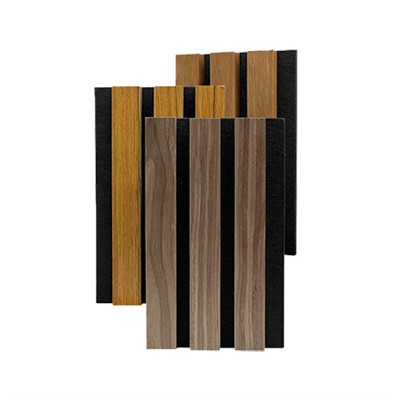
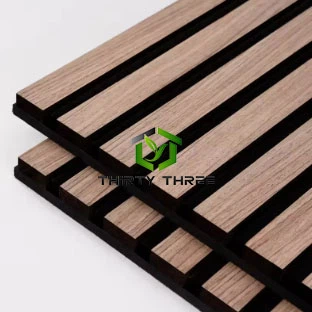
Wood is a traditional material that is still used in acoustic wall panels today. It offers a warm and natural aesthetic, which can enhance the overall look of a room. There are different types of wood used, including solid wood, plywood, and veneer.
Solid wood panels can provide good sound absorption, especially if they are thick and have a porous grain structure. However, solid wood is more expensive and may be subject to warping and cracking due to changes in humidity.
Plywood is a more cost - effective alternative. It is made by gluing together thin layers of wood veneer, which gives it strength and stability. Plywood panels can be treated with acoustic coatings to improve their sound absorption properties.
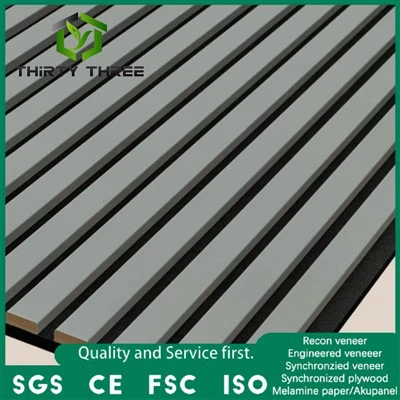
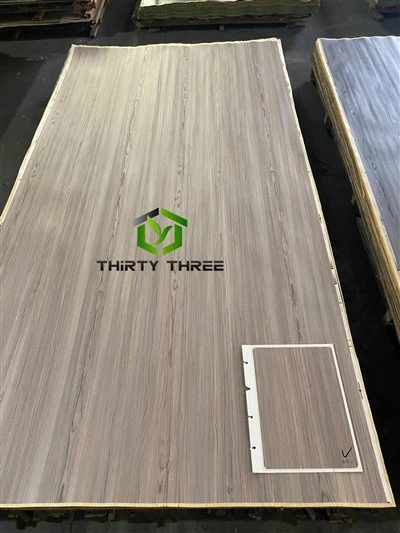
Veneer is a thin layer of wood that is applied to a substrate, such as MDF or particleboard. It offers the appearance of solid wood at a lower cost. For more information on high - quality veneer products, you can visit China Veneer Manufacturer Synchronized Melamine Paper.
Wood panels are also relatively easy to install and can be painted or stained to match the decor. However, they may not be as effective at absorbing high - frequency sounds as some of the other materials mentioned above.
Fabric - Wrapped Panels
Fabric - wrapped panels are a popular choice for acoustic solutions in spaces where aesthetics are important. These panels typically consist of a core material, such as fiberglass or foam, wrapped in a fabric cover.
The fabric used can vary widely, from natural fibers like cotton and wool to synthetic materials. The choice of fabric can affect the appearance, durability, and acoustic performance of the panel. For example, a thick, porous fabric can enhance sound absorption, while a smooth, tight - woven fabric may be more suitable for a more formal look.
Fabric - wrapped panels are available in a wide range of colors and patterns, allowing for customization to match any interior design. They are also relatively easy to clean and maintain. If you are interested in high - quality acoustic solutions with a stylish look, you might want to check out High Quality Geometric 3D Acoustic Wall Panel.
Other Materials
In addition to the materials mentioned above, there are other innovative materials being used in acoustic wall panels. For example, recycled materials such as recycled denim or cardboard can be used to create eco - friendly acoustic solutions. These materials are not only sustainable but can also provide good sound absorption.
Some acoustic wall panels are also made with composite materials, which combine the properties of different materials to achieve optimal performance. For instance, a panel might have a core of fiberglass for sound absorption, surrounded by a layer of wood for aesthetic appeal and durability.
Conclusion
As an acoustic wall panel supplier, I understand that choosing the right material is crucial for achieving the desired acoustic performance and aesthetic in a space. Each material has its own unique properties, advantages, and limitations. Whether you need a cost - effective solution for a large commercial project, a fire - resistant option for a public building, or a stylish and eco - friendly choice for a home theater, there is an acoustic wall panel material that will meet your needs.
If you are considering purchasing acoustic wall panels for your project, I encourage you to contact us for more information. Our team of experts can help you select the right material based on your specific requirements and budget. We also offer a wide range of products, including High Quality Folding Laptop Table For Study Use, to meet your diverse needs. Let's start a conversation about how we can transform your space with high - quality acoustic wall panels.
References
- Beranek, Leo L. "Acoustics." American Institute of Physics, 1986.
- Kuttruff, Heinrich. "Room Acoustics." Spon Press, 2009.
- Craik, R. J. M. "Handbook of Architectural Acoustics." Elsevier, 2004.