Hey there! As a supplier of acoustic wall panels, I often get asked about the weight of these panels. It's a crucial factor that can impact everything from installation to shipping, so let's dive right in and explore what the weight of acoustic wall panels really means.
First off, why does the weight of acoustic wall panels matter? Well, for starters, it affects the ease of installation. If the panels are too heavy, it can be a real pain to get them up on the wall. You might need extra help or special equipment to handle them, which can add to the overall cost of the project. On the other hand, if the panels are too light, they might not provide the level of sound insulation you're looking for.
Another reason weight matters is shipping. Heavier panels are more expensive to ship because they require more fuel and resources to transport. This cost can be passed on to the customer, so it's something to keep in mind when you're comparing prices from different suppliers.
So, what factors influence the weight of acoustic wall panels? There are several, but the main ones are the material, thickness, and size of the panel.
Material
The material used to make the acoustic wall panel is one of the biggest factors in determining its weight. Different materials have different densities, which means they weigh different amounts per unit volume.
- Fiberglass: Fiberglass is a popular choice for acoustic wall panels because it's lightweight and has excellent sound absorption properties. It's made from fine glass fibers that are woven together to form a mat. Fiberglass panels are relatively light, usually weighing between 1 and 3 pounds per square foot.
- Mineral Wool: Mineral wool is another common material for acoustic wall panels. It's made from natural or synthetic minerals that are melted and spun into fibers. Mineral wool panels are a bit heavier than fiberglass, typically weighing between 2 and 4 pounds per square foot.
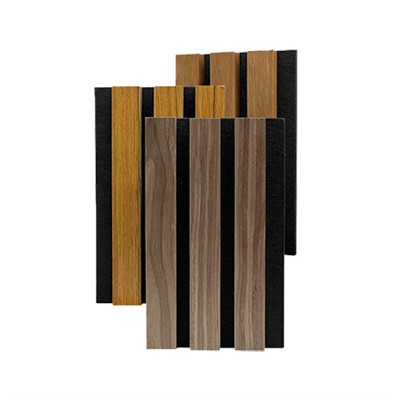
- Wood: Wood is a classic choice for wall panels, and it can also be used for acoustic purposes. The weight of wooden acoustic wall panels depends on the type of wood used. Hardwoods like oak and maple are heavier than softwoods like pine and cedar. On average, wooden acoustic wall panels weigh between 3 and 6 pounds per square foot.
- Foam: Foam is a lightweight material that's often used for acoustic wall panels in home studios and small spaces. There are different types of foam, such as polyurethane foam and melamine foam. Foam panels are very light, usually weighing less than 1 pound per square foot.
Thickness
The thickness of the acoustic wall panel also affects its weight. Generally, the thicker the panel, the heavier it will be. This is because there's more material in a thicker panel.
For example, a 1-inch thick fiberglass panel will weigh less than a 2-inch thick fiberglass panel. The same goes for other materials like mineral wool and wood. However, it's important to note that increasing the thickness of the panel doesn't always mean better sound insulation. There's a point of diminishing returns, so it's important to find the right balance between thickness and performance.
Size
The size of the acoustic wall panel is another factor that influences its weight. Larger panels will naturally weigh more than smaller panels because there's more surface area. When you're calculating the weight of your acoustic wall panels, make sure to take the size into account.
Now that we've talked about the factors that influence the weight of acoustic wall panels, let's look at some specific examples.
Example Weights of Acoustic Wall Panels
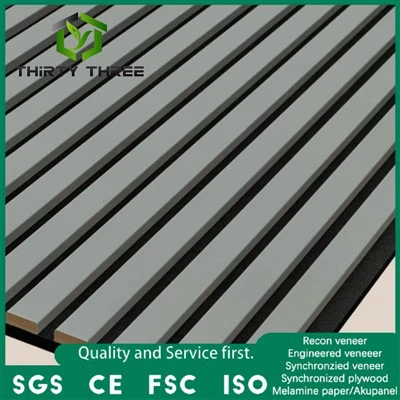
- Good Price Sound Insulation Engineered Acoustic Wall Panel: You can check out more details about this panel here. The weight of this panel depends on its material and thickness. If it's made of fiberglass and is 1 inch thick, it might weigh around 1.5 pounds per square foot. If it's made of mineral wool and is 2 inches thick, it could weigh around 3 pounds per square foot.
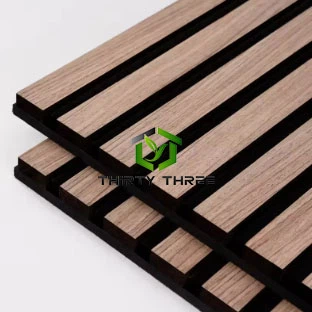
- Wooden Panel Soundproof Acoustic Building Material Ceiling Panel: To learn more about this wooden panel, click here. A standard 4x8 foot wooden acoustic wall panel that's 3/4 inch thick might weigh around 100 pounds. However, if it's made of a heavier hardwood like oak, it could weigh even more.
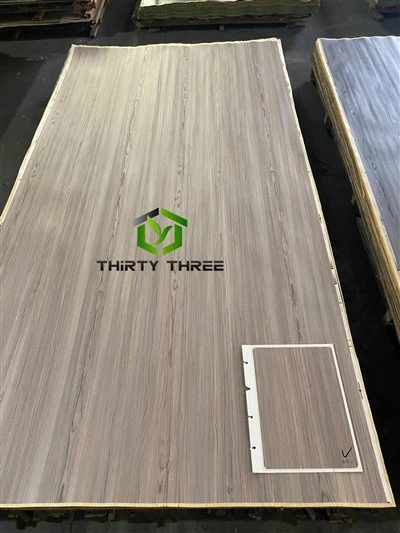
- Customized Synchronized Laminated Veneer Paper Melamine Faced Veneer: For details on this customized panel, visit this link. The weight of this panel will vary depending on the materials used in the lamination and the thickness of the veneer. A typical panel might weigh between 2 and 4 pounds per square foot.
When you're choosing acoustic wall panels for your project, it's important to consider the weight in relation to your specific needs. If you're installing the panels yourself, you might want to choose a lighter material to make the job easier. If you're shipping the panels a long distance, you might want to look for a more lightweight option to save on shipping costs.


But weight isn't the only thing to consider. You also need to think about the sound absorption properties, fire resistance, and aesthetic appeal of the panels.
If you're in the market for acoustic wall panels and have questions about weight or any other aspect of our products, don't hesitate to reach out. We're here to help you find the perfect solution for your acoustic needs. Whether you're working on a commercial project, a home studio, or just want to reduce noise in your living space, we've got you covered.
So, if you're interested in purchasing acoustic wall panels, feel free to contact us for more information and to start a procurement discussion. We're happy to provide samples, quotes, and any other details you might need to make an informed decision.
References
- "Acoustic Materials Handbook" by John D. Wilson
- "Sound and Structural Vibration: Radiation, Transmission and Response" by F. Jacobsen and P. M. Møller