As a supplier of Lower Factory Price Recon Plywood, I often encounter inquiries from customers about various aspects of our products. One of the most frequently asked questions is about the water absorption rate of our recon plywood. In this blog post, I will delve into this topic, providing a detailed explanation of what the water absorption rate is, why it matters, and what the water absorption rate of our lower factory price recon plywood is.


Understanding the Water Absorption Rate
The water absorption rate is a crucial property of plywood, which refers to the amount of water that a plywood sample can absorb under specific conditions. It is usually expressed as a percentage of the plywood's original weight. To measure the water absorption rate, a standard - sized plywood sample is first dried in an oven until it reaches a constant weight. Then, the sample is immersed in water for a specified period, typically 24 hours. After the immersion, the sample is removed from the water, the surface water is wiped off, and the sample is weighed again. The difference in weight before and after immersion is calculated, and the water absorption rate is determined by dividing this weight difference by the original dry weight of the sample and multiplying by 100.
Why the Water Absorption Rate Matters
The water absorption rate of plywood has a significant impact on its performance and durability. Plywood with a high water absorption rate is more likely to swell, warp, and delaminate when exposed to moisture. Swelling can cause the plywood to lose its dimensional stability, leading to problems such as uneven surfaces and difficulty in fitting during installation. Warping can make the plywood unusable for certain applications, especially those that require flat and straight materials. Delamination occurs when the layers of the plywood separate due to the penetration of water, which severely weakens the structural integrity of the plywood.
On the other hand, plywood with a low water absorption rate is more resistant to moisture damage. It can maintain its shape and strength even in humid environments, making it suitable for a wide range of applications, including outdoor use, bathrooms, kitchens, and other areas where moisture is present.
Water Absorption Rate of Our Lower Factory Price Recon Plywood
Our lower factory price recon plywood is engineered to have a relatively low water absorption rate. Through advanced manufacturing processes and the use of high - quality raw materials, we are able to control the water absorption rate of our products to meet the needs of different customers.
The water absorption rate of our recon plywood typically ranges from 8% to 12%. This is achieved by carefully selecting the veneers, using high - quality adhesives, and ensuring proper pressing and curing during the manufacturing process. The adhesives we use form a strong bond between the veneers, which helps to prevent water from penetrating into the plywood. Additionally, the veneers are pre - treated to enhance their resistance to moisture.
Applications and Advantages of Our Low Water - Absorption Recon Plywood
Due to its low water absorption rate, our recon plywood has a wide range of applications. For example, it can be used in the construction of furniture. In kitchens and bathrooms, where moisture is a common problem, our recon plywood can be used to make cabinets, shelves, and other furniture pieces. Its low water absorption rate ensures that the furniture will not warp or delaminate over time, maintaining its appearance and functionality.
In the construction industry, our recon plywood can be used as wall sheathing, floor underlayment, and roofing panels. In areas with high humidity or frequent rainfall, the low water absorption rate of our plywood helps to prevent structural damage caused by moisture, increasing the lifespan of the building.
Another advantage of our lower factory price recon plywood is its cost - effectiveness. Despite its high - quality performance in terms of water absorption resistance, we are able to offer it at a lower price compared to many of our competitors. This is because of our efficient production processes, large - scale production, and direct - to - customer sales model.
Our Product Range
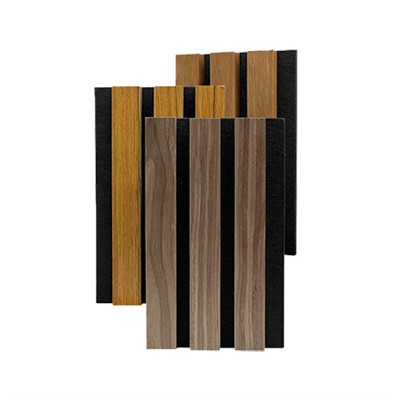
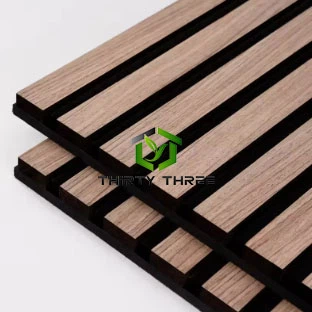
We offer a variety of recon plywood products to meet different customer requirements. You can check out our 1.5mm 2mm Recon Plywood High Quality, which is known for its excellent quality and low water absorption rate. It is suitable for a variety of interior applications, such as furniture making and interior decoration.
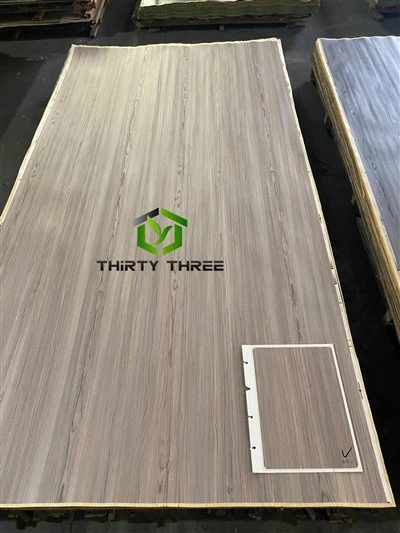
Our Engineered Recon Veneer for Plywood 4*8 is another popular product. It is designed to provide a smooth and durable surface, and its low water absorption rate makes it ideal for both indoor and outdoor use.
If you are looking for a thin wood veneer option, our 1.5mm Wood Grain Thin Wood Veneer Recon Poplar Plywood is a great choice. It combines the beauty of wood grain with the practicality of low water absorption, making it suitable for high - end furniture and interior design projects.
Contact Us for Purchase and Negotiation
If you are interested in our lower factory price recon plywood and want to know more about its water absorption rate or other properties, or if you are ready to place an order, please feel free to contact us. We are always happy to provide you with detailed product information, samples, and competitive quotes. Our team of experts will work closely with you to understand your specific needs and find the best solution for your project.
References
- ASTM D570 - 98(2018) Standard Test Method for Water Absorption of Plastics.
- Panshin, A. J., & de Zeeuw, C. (1980). Textbook of Wood Technology: Structure, Identification, Properties, and Uses of the Commercial Woods of the United States and Canada. McGraw - Hill.
- Rowell, R. M. (Ed.). (2005). Handbook of Wood Chemistry and Wood Composites. CRC Press.