Hey there! As a supplier of recon plywood and red plywood, I often get asked about how well these types of plywood hold up against chemicals. So, I thought I'd take some time to break it down for you.
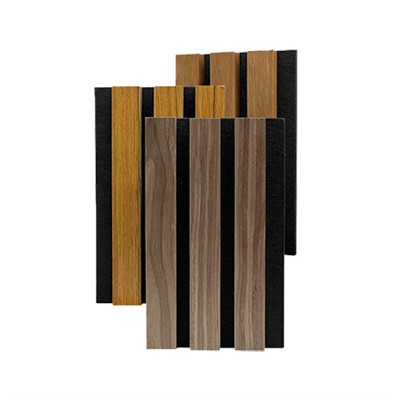
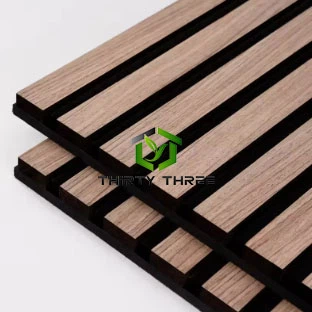
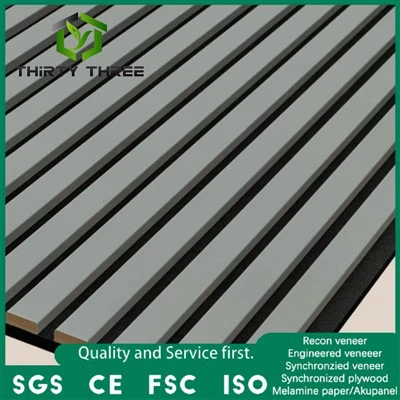
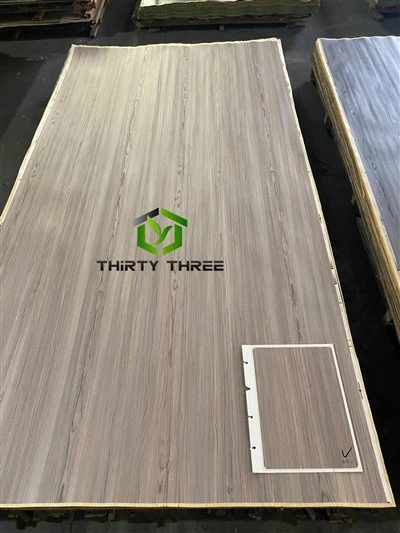
First off, let's talk about what recon plywood and red plywood are. Recon plywood is basically engineered plywood that uses recon veneer. It's made by bonding multiple layers of veneer together under high pressure and heat, creating a strong and stable panel. You can check out Engineered Recon Veneer for Plywood 4*8 for an example of the kind of recon plywood we offer. Red plywood, on the other hand, is typically made from redwood or has a red - tinted finish. It's known for its durability and aesthetic appeal.
Now, when it comes to chemical resistance, several factors come into play.
Factors Affecting Chemical Resistance
1. Type of Chemical
Different chemicals have different effects on plywood. For instance, acidic chemicals can be quite harsh. Acids can break down the adhesives used in the plywood, causing the layers to delaminate. If the plywood is exposed to strong acids like sulfuric acid or hydrochloric acid, the damage can be pretty severe. Over time, the acid can eat away at the wood fibers and the bonding agents, weakening the structure of the plywood.
Alkaline chemicals also pose a threat. They can react with the lignin in the wood, which is a natural polymer that gives the wood its strength. When the lignin is affected, the wood can become brittle and lose its integrity.
On the other hand, some mild chemicals like water - based cleaning agents usually have a much lower impact. These are less likely to cause significant damage, especially if the plywood has been properly sealed.
2. Duration of Exposure
The longer the plywood is exposed to a chemical, the more damage it's likely to suffer. A short - term splash of a chemical might not cause any visible damage, but continuous exposure, say in an industrial setting where the plywood is constantly in contact with a chemical solution, can lead to serious problems.
3. Sealing and Coating
Proper sealing and coating can significantly improve the chemical resistance of both recon plywood and red plywood. A good quality sealant creates a barrier between the wood and the chemical. For example, a polyurethane coating can prevent many chemicals from penetrating the wood surface. Our 1.5mm Wood Grain Thin Wood Veneer Recon Poplar Plywood can be treated with such coatings to enhance its resistance.
Chemical Resistance of Recon Plywood
Recon plywood generally has a decent level of chemical resistance, especially if it's made with high - quality adhesives. The engineered nature of recon plywood means that the layers are tightly bonded, which can slow down the penetration of chemicals.
However, it's important to note that not all recon plywood is created equal. Some lower - quality recon plywood might use cheaper adhesives that are more susceptible to chemical attack. When you're looking for recon plywood with good chemical resistance, make sure to choose a reliable supplier. We offer Wholesale Engineered Veneer Recon Veneer Plywood for Furniture, which is made with high - quality materials to ensure better performance.
In a mildly chemical - exposed environment, like a kitchen where it might come into contact with food - grade acids or cleaning agents, recon plywood can hold up well for a long time. But in a more extreme environment, such as a chemical laboratory, additional protective measures like a heavy - duty coating are necessary.
Chemical Resistance of Red Plywood
Red plywood, with its natural durability, also has some inherent chemical resistance. Redwood, which is often used to make red plywood, contains natural oils and resins that can act as a defense against certain chemicals. These natural substances can slow down the degradation process caused by some chemicals.
Similar to recon plywood, the chemical resistance of red plywood can be enhanced through proper treatment. A sealed red plywood will be much more resistant to chemicals than an untreated one. In outdoor settings where it might be exposed to rain (which can have a slightly acidic pH due to pollution), a well - sealed red plywood can last for years without significant chemical damage.
Real - World Applications and Chemical Resistance
Let's look at some real - world applications and how the chemical resistance of these plywoods matters.
1. Industrial Applications
In industrial settings, plywood might be used for making storage containers for chemicals or as partitions in chemical processing areas. In these cases, both recon and red plywood need to have high chemical resistance. If the plywood doesn't resist the chemicals well, it can lead to leaks, structural failures, and potential safety hazards. For such applications, we recommend using plywood with a high - performance coating and ensuring regular inspections.
2. Residential Applications
In homes, plywood can be used in kitchens, bathrooms, and laundry rooms. In these areas, it might come into contact with cleaning agents, detergents, and sometimes even small spills of acidic or alkaline substances. A well - treated recon or red plywood can withstand these mild chemical exposures without any major issues, making it a great choice for cabinetry, shelving, and other interior applications.
Tips for Maintaining Chemical Resistance
- Regular Cleaning: Keep the plywood clean. Remove any chemical spills as soon as possible. Use a mild, water - based cleaner to wipe down the surface regularly.
- Re - sealing: Over time, the sealant on the plywood can wear off. Periodically re - apply a sealant to maintain its chemical resistance.
- Proper Storage: When storing plywood, keep it in a dry and clean environment. Exposure to moisture can weaken the wood and make it more susceptible to chemical damage.
Conclusion
So, in conclusion, both recon plywood and red plywood have varying levels of chemical resistance depending on factors like the type of chemical, duration of exposure, and the quality of treatment. With proper care and the right treatment, these plywoods can serve well in a wide range of applications, from residential to industrial.
If you're interested in purchasing high - quality recon plywood or red plywood for your project, whether it's for a small home renovation or a large - scale industrial application, I'd love to have a chat with you. Just reach out, and we can discuss your specific needs and how our products can meet them.


References
- Smith, J. (2018). "The Chemistry of Wood and Its Response to Chemical Exposure". Journal of Wood Science.
- Brown, A. (2020). "Plywood: Properties and Applications". Woodworking Today Magazine.
- Green, C. (2019). "Enhancing the Chemical Resistance of Engineered Wood Products". Industrial Wood Research Journal.