As a supplier of Lower Factory Price Recon Plywood, I've received numerous inquiries regarding the resistance of this product to fungi. This is a crucial aspect, especially considering the diverse applications of recon plywood in various industries. In this blog, I'll delve into the factors that influence the fungal resistance of our recon plywood and provide insights based on scientific knowledge and practical experience.
Understanding Recon Plywood
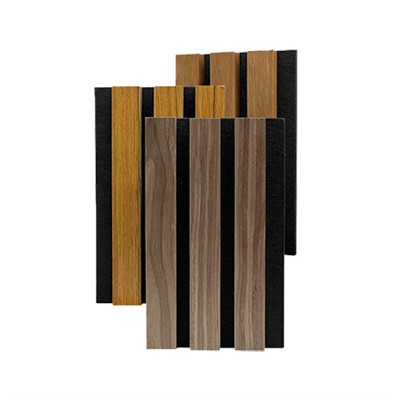
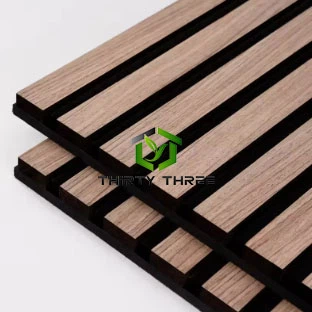
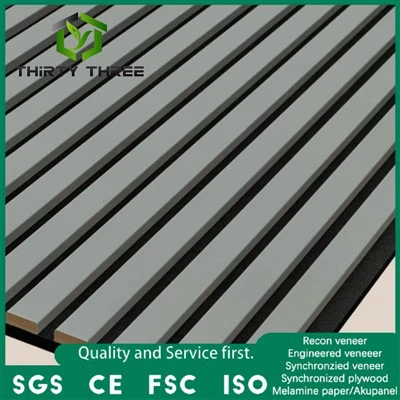
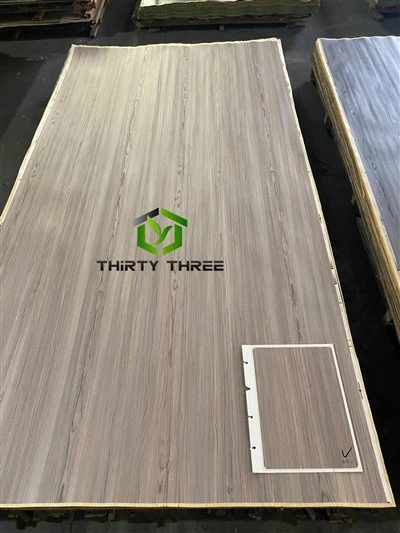
Recon plywood is a type of engineered wood product that combines the strength and durability of traditional plywood with the aesthetic appeal of natural wood veneers. Our Lower Factory Price Recon Plywood is crafted using advanced manufacturing techniques, ensuring high - quality and cost - effectiveness. It is commonly used in furniture making, interior decoration, and construction projects. For example, our 1.5mm Recon Poplar Veneer Plywood for Decoration Furniture is a popular choice among furniture manufacturers due to its thin yet sturdy construction and attractive appearance.
Factors Affecting Fungal Resistance
Wood Species
The type of wood used in the recon plywood plays a significant role in its resistance to fungi. Different wood species have varying levels of natural resistance. For instance, some hardwoods contain natural chemicals such as tannins and oils that act as fungicides. Our recon plywood is often made from poplar, which has a moderate level of natural resistance. Poplar is a widely used wood species in the plywood industry because of its availability, workability, and relatively good resistance to decay compared to some softwoods. However, it is not immune to fungal attacks, especially under favorable conditions for fungal growth.
Manufacturing Process
The manufacturing process of recon plywood can also impact its fungal resistance. During the production of our Engineered Recon Veneer for Plywood 4*8, we use high - quality adhesives that not only bond the veneers together but also contribute to the overall durability of the product. These adhesives can create a barrier against moisture, which is a key factor in fungal growth. Additionally, the pressing and drying processes are carefully controlled to ensure that the plywood has the right moisture content. Excessive moisture can promote fungal growth, while too little moisture can cause the wood to dry out and crack, making it more susceptible to damage.
Treatment
To enhance the fungal resistance of our recon plywood, we offer optional treatments. These treatments can include the application of fungicides or preservatives. Chemical treatments are designed to penetrate the wood fibers and protect them from fungal infections. For example, some treatments contain copper - based compounds, which are effective against a wide range of fungi. However, we also understand the importance of environmental sustainability, so we ensure that the treatments we use are compliant with environmental regulations.
Conditions for Fungal Growth
Fungi require specific conditions to grow and thrive on wood. The three main factors are moisture, temperature, and oxygen.
Moisture
Moisture is perhaps the most critical factor in fungal growth. Wood with a moisture content above 20% is at a high risk of fungal attack. In humid environments or areas prone to water exposure, such as basements or bathrooms, recon plywood needs to be properly protected. Our 1.2mm Wood Veneer Recon Poplar Plywood can be used in these areas if appropriate moisture - resistant measures are taken, such as the application of a waterproof finish.
Temperature
Fungi grow best at temperatures between 20°C and 30°C (68°F - 86°F). However, some fungi can survive and grow at lower or higher temperatures. In colder climates, the growth of fungi may slow down, but it does not stop completely. Therefore, it is important to consider the temperature conditions in the intended application of the recon plywood.
Oxygen
Like all living organisms, fungi require oxygen to survive. However, most fungi can tolerate low - oxygen environments. In enclosed spaces, proper ventilation can help reduce the risk of fungal growth by controlling moisture levels and providing fresh air.
Testing the Fungal Resistance
We conduct regular testing to ensure the quality and fungal resistance of our recon plywood. These tests involve exposing samples of the plywood to different types of fungi under controlled conditions. We measure the rate of decay and the extent of damage to the wood. The results of these tests help us improve our manufacturing processes and treatment methods. For example, if we find that a particular batch of plywood is more susceptible to fungal attack, we can adjust the treatment or manufacturing parameters accordingly.
Applications and Fungal Resistance Requirements
The fungal resistance requirements of recon plywood vary depending on its application.
Furniture
In furniture making, the recon plywood is usually protected by finishes such as paint, varnish, or lacquer. These finishes not only enhance the appearance of the furniture but also provide an additional layer of protection against moisture and fungi. Our 1.5mm Recon Poplar Veneer Plywood for Decoration Furniture is suitable for indoor furniture applications where the risk of fungal growth is relatively low, as long as the furniture is kept in a dry environment.
Construction
In construction, especially in areas exposed to the elements, such as exterior walls or roofs, the recon plywood needs to have a higher level of fungal resistance. We can provide treated plywood that is specifically designed for these applications. The treated plywood can withstand harsh weather conditions and resist fungal attacks for a longer period.
Conclusion
Our Lower Factory Price Recon Plywood offers a good balance of cost - effectiveness and fungal resistance. By carefully selecting the wood species, controlling the manufacturing process, and offering optional treatments, we ensure that our plywood can meet the diverse needs of our customers. However, it is important to note that proper installation and maintenance are also crucial in preventing fungal growth.
If you are interested in our recon plywood products and would like to discuss your specific requirements, please feel free to reach out to us. We are more than happy to provide you with detailed information and samples. Whether you are a furniture manufacturer, a construction company, or a DIY enthusiast, we have the right recon plywood solution for you.


References
- "Wood Microbiology: Decay and Its Prevention" by R. Daniel Schultz and Thomas L. Nicholas.
- "Plywood Manufacturing and Technology" by Robert J. Ross.
- Industry standards and guidelines related to wood products and fungal resistance.