What is the R - value of technical acoustic wall panels?
As a supplier of technical acoustic wall panels, I often get asked about the R - value of these products. Understanding the R - value is crucial for customers who are looking to improve the acoustic performance of their spaces, whether it's for a commercial venue, a residential home, or an industrial facility. In this blog post, I'll explain what the R - value is, how it relates to technical acoustic wall panels, and why it matters for your project.
What is the R - value?
The R - value is a measure of thermal resistance. It indicates how well a material resists the flow of heat. In the context of building materials, a higher R - value means better insulation. However, when it comes to acoustic wall panels, the concept of R - value is not directly applicable in the same way as it is for thermal insulation. Instead, we are more concerned with sound absorption and sound transmission class (STC).
Sound absorption is the ability of a material to absorb sound energy rather than reflect it. This is measured by the Noise Reduction Coefficient (NRC). The NRC is a number between 0 and 1, where 0 means the material reflects all sound and 1 means the material absorbs all sound. A higher NRC indicates better sound - absorbing properties.
Sound transmission class (STC) measures how well a material or a partition reduces the transmission of sound from one side to the other. It is a single - number rating that represents the average sound attenuation over a range of frequencies. A higher STC rating means better sound isolation.
How do technical acoustic wall panels work?
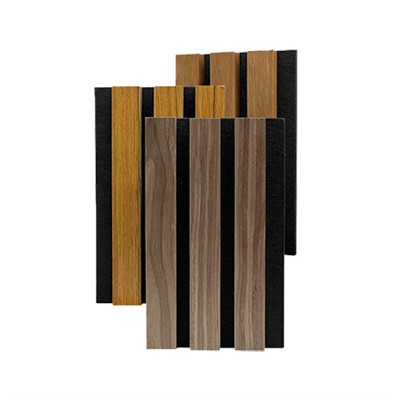
Technical acoustic wall panels are designed to improve the acoustic environment of a space. They are made from a variety of materials, including fiberglass, foam, wood, and fabric. These materials are engineered to have specific acoustic properties.


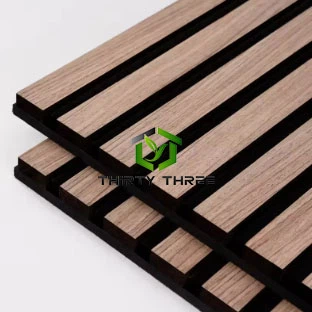
For example, Sound Absorbing MDF Wood Slatted for Interior Decoration combines the aesthetic appeal of wood with excellent sound - absorbing capabilities. The slatted design allows sound waves to enter the panel and be absorbed by the material inside. The MDF (medium - density fiberboard) core provides a stable structure, while the surface finish can be customized to match the interior design of the space.
Another type of panel, Wholesale Fireproof Oak Technical 3D Wall Panel, offers not only acoustic benefits but also fire - resistant properties. The 3D design adds a unique visual element to the wall, and the oak material provides natural sound - absorbing qualities. This type of panel is ideal for commercial spaces where safety and aesthetics are both important.
China Indoor Decoration Oak Artificial Wooden Slat Akupanel is another option for those looking to enhance the acoustic environment of their indoor spaces. The artificial wooden slats give the appearance of real wood, while the internal structure is optimized for sound absorption. It is a cost - effective solution for residential and commercial interior decoration.
Factors affecting the acoustic performance of technical acoustic wall panels
Several factors can affect the acoustic performance of technical acoustic wall panels:
- Material composition: Different materials have different sound - absorbing and sound - blocking properties. For example, fiberglass is known for its high NRC, while dense materials like concrete or brick have higher STC ratings.
- Thickness: Generally, thicker panels have better sound - absorbing and sound - blocking capabilities. However, the relationship between thickness and acoustic performance is not always linear.
- Density: Higher - density materials tend to block sound better, while lower - density materials are better at absorbing sound.
- Installation method: Proper installation is crucial for achieving the best acoustic performance. Panels should be installed tightly against the wall to prevent sound leakage.
Why does the acoustic performance matter?
Good acoustic performance is essential for several reasons:
- Improved speech intelligibility: In spaces such as classrooms, conference rooms, and auditoriums, clear speech is necessary for effective communication. Acoustic wall panels can reduce reverberation and improve the clarity of speech.
- Enhanced comfort: In residential and commercial buildings, excessive noise can be a source of stress and discomfort. By reducing noise levels, acoustic wall panels can create a more comfortable living and working environment.
- Increased privacy: In offices, hotels, and healthcare facilities, privacy is important. Acoustic wall panels can help to reduce the transmission of sound between rooms, providing more privacy for occupants.
How to choose the right technical acoustic wall panels
When choosing technical acoustic wall panels, consider the following:
- Acoustic requirements: Determine the specific acoustic needs of your space. If you need to reduce reverberation, look for panels with a high NRC. If you need to block sound between rooms, choose panels with a high STC rating.
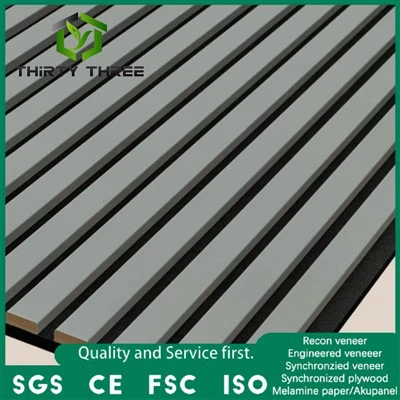
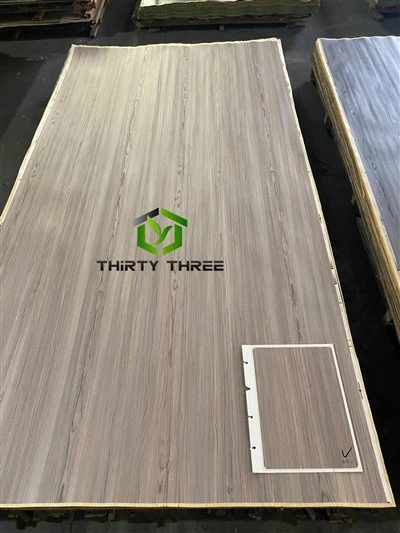
- Aesthetic preferences: Technical acoustic wall panels come in a variety of colors, textures, and designs. Choose panels that match the interior design of your space.
- Budget: Acoustic wall panels can vary in price depending on the material, size, and acoustic performance. Set a budget and look for panels that offer the best value for money.
Contact us for procurement and negotiation
If you are interested in purchasing technical acoustic wall panels for your project, we are here to help. Our team of experts can provide you with detailed information about our products, including their acoustic performance, installation requirements, and pricing. We offer a wide range of products to meet your specific needs and budget. Contact us today to start the procurement and negotiation process.
References
- Beranek, Leo L. "Acoustics." American Institute of Physics, 1954.
- Kinsler, Lawrence E., et al. "Fundamentals of Acoustics." Wiley, 2000.
- Paris, Colin. "Building Acoustics: Noise Control for Architects and Engineers." Taylor & Francis, 2007.