What is the R - value of acoustic wall panels? Well, if you're in the market for acoustic wall panels, you've probably come across this term. As a supplier of acoustic wall panels, I'm here to break it down for you in plain English.
First off, let's talk about what the R - value actually means. In the world of insulation and acoustics, the R - value is a measure of thermal resistance. In simple terms, it tells you how well a material can resist the flow of heat. But when it comes to acoustic wall panels, we're more interested in their sound - insulating properties. However, the concept is somewhat similar.
Acoustic wall panels are designed to absorb and reduce sound reflections in a room. They work by converting sound energy into heat energy through a process called absorption. The better a panel is at absorbing sound, the more it can improve the acoustics of a space.
Now, the R - value for acoustic wall panels isn't a one - size - fits - all number. It depends on a few factors. The material of the panel is a huge factor. For example, panels made from fiberglass tend to have good sound - absorbing qualities. Fiberglass has a porous structure that allows sound waves to penetrate and get trapped, reducing the amount of sound that bounces back into the room. On the other hand, panels made from wood may have different acoustic properties. Wood can be resonant, which means it can vibrate in response to sound waves. While some types of wood can absorb sound, others may reflect it more.
The thickness of the panel also matters. Generally, thicker panels have a higher R - value in terms of sound absorption. A thicker panel provides more material for the sound waves to interact with, increasing the chances of absorption. For instance, a 2 - inch thick acoustic panel will usually perform better than a 1 - inch thick one.
The density of the panel is another crucial factor. A denser panel can often absorb more sound. But it's not just about density alone. The way the material is structured also plays a role. Panels with a non - uniform or fibrous structure are often better at scattering and absorbing sound.


So, why is the R - value important for you? If you're looking to create a quiet space, like a recording studio, a home theater, or an office, a high - R - value acoustic wall panel can make a huge difference. It can reduce background noise, echoes, and reverberation, creating a more comfortable and functional environment.
Let me give you an example. Suppose you have a small home office. Without proper acoustic treatment, the sound of your keyboard typing, phone calls, and even the hum of your computer can bounce around the room, creating a distracting and noisy environment. By installing acoustic wall panels with a good R - value, you can absorb these sounds and make your office a much more peaceful place to work.
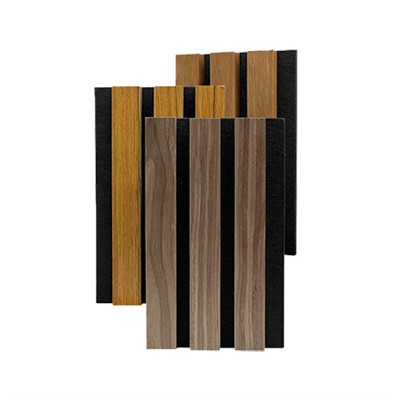
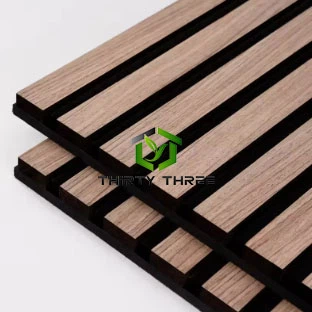
Now, as an acoustic wall panel supplier, I have a wide range of products to offer. For those looking for an affordable option, check out our Factory Sale Akupanel Acoustic Wall Panel Cheap Price. These panels are great for small - to - medium - sized rooms and offer decent sound absorption at a budget - friendly price.
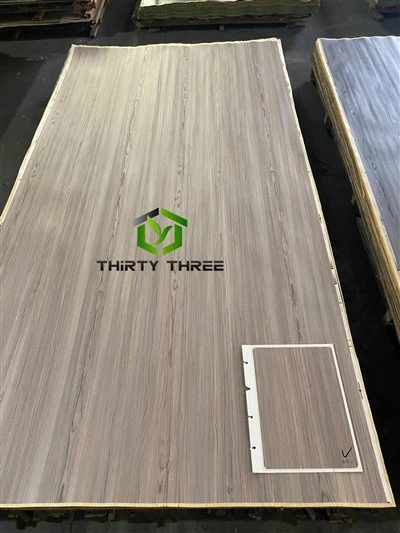
If you're in the furniture - making business or need a high - quality plywood sheet for other purposes, our Best Selling Recon Poplar Plywood Sheet For Furniture is a great choice. It not only has good structural integrity but can also contribute to the overall acoustics of a space when used in combination with acoustic wall panels.
And for those who need a practical accessory for their study or work area, we also have the High Quality Folding Laptop Table For Study Use. It's a handy addition to any room where you need to use a laptop comfortably.
When it comes to choosing the right acoustic wall panels for your needs, it's important to consider the R - value, but also other factors like aesthetics, durability, and installation requirements. We're here to help you make the right choice. Whether you're a professional in the audio industry or just a homeowner looking to improve the acoustics of your space, we can provide you with the information and products you need.
If you're interested in learning more about our acoustic wall panels or any of our other products, feel free to reach out. We're always happy to have a chat about your specific requirements and help you find the best solutions for your space. Don't hesitate to start a conversation about purchasing. We're ready to work with you to make your acoustic dreams a reality.
References
- "Acoustics for Dummies" by Jeff McCormick
- "Sound and Vibration Handbook" by Cyril M. Harris