Moisture resistance is a critical factor when assessing the quality and usability of engineered wood products, especially for applications where the material may be exposed to varying levels of humidity or moisture. As a supplier of 4x8 Recon Poplar Veneer, Dyed, Engineered, I am frequently asked about its moisture resistance. In this blog post, I will delve into the moisture - resistance properties of this product, exploring the factors that influence it and how it performs in different environments.
Understanding 4x8 Recon Poplar Veneer, Dyed, Engineered
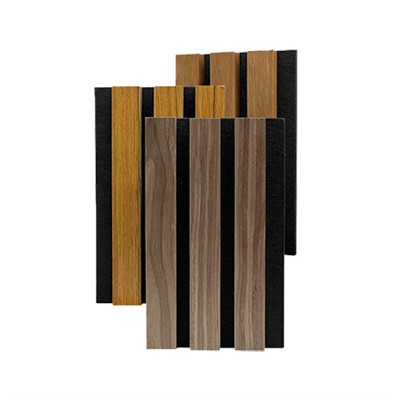
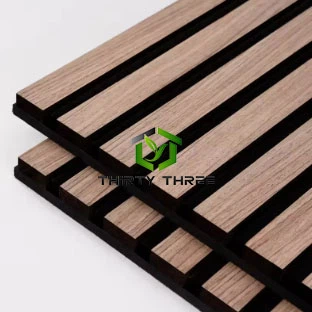
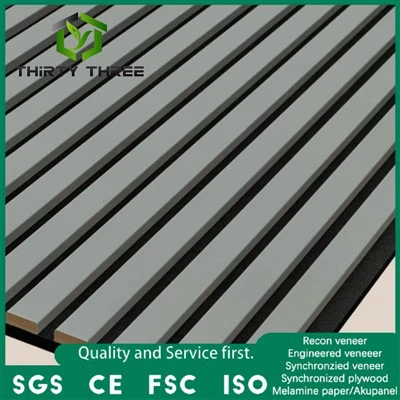
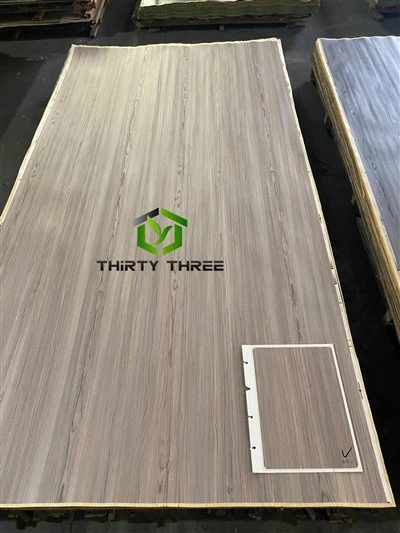
Before we discuss moisture resistance, let's briefly understand what 4x8 Recon Poplar Veneer, Dyed, Engineered is. This product is a type of engineered wood veneer. The "4x8" refers to the standard sheet size, which is 4 feet by 8 feet, a common dimension in the woodworking industry. "Recon Poplar" indicates that it is made from reconstituted poplar wood. Poplar is a fast - growing hardwood known for its relatively straight grain and light color. The veneer is dyed, which means it has been treated with colorants to achieve a specific aesthetic appearance, and it is engineered, suggesting that it has been processed and manufactured to enhance certain properties.
Factors Affecting Moisture Resistance
Wood Species and Its Natural Characteristics
Poplar, as a wood species, has its own inherent moisture - related properties. Poplar has a relatively low density compared to some other hardwoods. This lower density can affect how it absorbs and releases moisture. Generally, woods with lower density tend to absorb moisture more readily. However, the reconstitution process in engineered poplar veneer can modify these natural characteristics. The manufacturing process of our engineered veneer involves binding the poplar fibers together in a way that can create a more uniform structure, which may have an impact on moisture absorption.
Treatment and Finishing
The moisture resistance of our 4x8 Recon Poplar Veneer, Dyed, Engineered is significantly influenced by the treatments and finishes applied. During the manufacturing process, the veneer may undergo treatments to enhance its resistance to moisture. For example, it can be treated with water - repellent chemicals that form a protective barrier on the surface of the wood. Additionally, the type of finish applied to the veneer plays a crucial role. A high - quality finish can seal the wood, preventing moisture from penetrating into the interior of the veneer. Common finishes include varnishes, lacquers, and polyurethanes, which can provide different levels of moisture protection.
Manufacturing Process
The engineered nature of the veneer is a key factor in its moisture resistance. In the manufacturing of our 4x8 Recon Poplar Veneer, Dyed, Engineered, the poplar fibers are carefully arranged and bonded together. This engineered structure can make the veneer more stable in the presence of moisture compared to natural poplar wood. The bonding agents used in the process can also contribute to moisture resistance. Some bonding agents are formulated to be water - resistant, which helps to hold the structure of the veneer intact even when exposed to moisture.
Moisture Resistance Performance in Different Environments
Indoor Environments
In typical indoor environments with controlled humidity levels (around 30% - 60% relative humidity), our 4x8 Recon Poplar Veneer, Dyed, Engineered performs well. The treatments and finishes applied to the veneer help it maintain its shape and appearance. It is suitable for a variety of indoor applications such as cabinetry, wall paneling, and furniture making. In these settings, the veneer is less likely to experience significant moisture - related issues such as warping, swelling, or delamination.
However, if the indoor environment has high humidity, for example, in a bathroom or a laundry room without proper ventilation, the veneer may be at risk. The high moisture content in the air can cause the veneer to absorb moisture, leading to potential problems. In such cases, it is important to ensure proper ventilation and use additional moisture - resistant finishes to protect the veneer.
Outdoor Environments
While our 4x8 Recon Poplar Veneer, Dyed, Engineered is not designed for direct outdoor exposure, it can be used in some protected outdoor applications. For example, if it is used as an interior lining for a covered porch or a pavilion, with proper finishes and protection from the elements, it can withstand a certain amount of moisture. But in harsh outdoor conditions where it is exposed to rain, snow, and direct sunlight, the veneer will require special treatments and maintenance. Without proper protection, the veneer may experience rapid moisture absorption and desorption cycles, which can lead to cracking, peeling, and a loss of structural integrity.
Comparison with Other Veneer Products
When compared to other types of veneers, our 4x8 Recon Poplar Veneer, Dyed, Engineered offers a good balance between cost, aesthetics, and moisture resistance. For instance, compared to natural solid wood veneers of some high - end hardwoods, our engineered poplar veneer is more affordable. And in terms of moisture resistance, while it may not be as resistant as some tropical hardwood veneers that are naturally more moisture - resistant, it can be made to perform comparably with the right treatments and finishes.
If you are interested in exploring more about our veneer products, you can visit our product pages: Long Grain Recon Poplar Wood Veneer Engineered Veneer, Premium Quality Long Grain White Recon Poplar Veneer, and Recon Poplar Veneer With Good Quality For Plywood Making.


Importance of Moisture Resistance in Applications
The moisture resistance of our 4x8 Recon Poplar Veneer, Dyed, Engineered is crucial for its successful application in various projects. In cabinetry, for example, moisture resistance ensures that the cabinets maintain their shape and functionality over time. If the veneer absorbs too much moisture, the cabinets may warp, making it difficult to open and close the doors and drawers. In wall paneling, moisture - resistant veneer helps to prevent the growth of mold and mildew, which can be a health hazard and also damage the appearance of the wall.
Ensuring Optimal Moisture Resistance
To ensure that our customers get the best moisture - resistant performance from our 4x8 Recon Poplar Veneer, Dyed, Engineered, we provide detailed installation and maintenance guidelines. During installation, it is important to ensure that the substrate is dry and properly prepared. Any moisture in the substrate can transfer to the veneer, reducing its moisture - resistant properties.
After installation, regular maintenance is essential. This includes cleaning the veneer with appropriate products that do not damage the finish. If the veneer is in an environment with high humidity, periodic inspections should be carried out to check for any signs of moisture damage.
Conclusion
In conclusion, the moisture resistance of our 4x8 Recon Poplar Veneer, Dyed, Engineered is a complex characteristic influenced by multiple factors such as the natural properties of poplar, treatments, finishes, and the manufacturing process. While it performs well in many indoor applications and some protected outdoor settings, proper installation and maintenance are key to ensuring its long - term performance.
If you are in the market for high - quality engineered poplar veneer with good moisture resistance, we invite you to contact us for procurement and further discussions. We are committed to providing you with the best products and services to meet your woodworking needs.
References
- Forest Products Laboratory. (2010). Wood Handbook: Wood as an Engineering Material. U.S. Department of Agriculture, Forest Service.
- Simpson, W. T. (Ed.). (1999). Wood Engineering and Construction Handbook. McGraw - Hill.