As a supplier of high-quality melamine acoustic wall panels, I often get asked about their heat insulation performance. In this blog post, I'll delve into what makes these panels effective in terms of heat insulation, exploring the science behind it and the real - world benefits.
Understanding Melamine Acoustic Wall Panels
Before we discuss heat insulation, let's briefly understand what melamine acoustic wall panels are. Melamine is a type of thermosetting plastic. When used in acoustic wall panels, it is combined with other materials to create a product that is not only great at reducing sound but also has other useful properties.
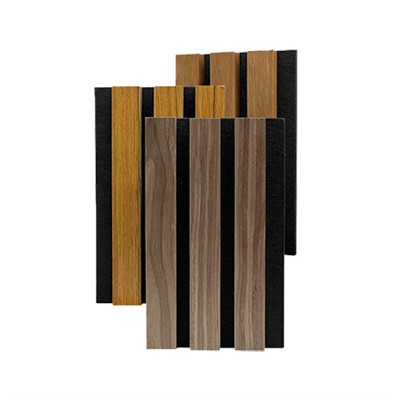
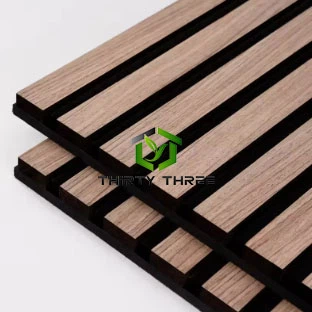
Our High Quality Melamine Acoustic Wall Panel is designed with precision. The melamine surface offers a durable and aesthetically pleasing finish. It comes in a variety of colors and patterns, making it suitable for different interior design requirements. The core of the panel is engineered to absorb sound waves, which is its primary function, but this structure also has implications for heat insulation.
The Science of Heat Insulation
Heat transfer occurs through three main mechanisms: conduction, convection, and radiation. To understand how melamine acoustic wall panels insulate against heat, we need to examine how they affect each of these processes.
Conduction
Conduction is the transfer of heat through a solid material. The structure of melamine acoustic wall panels plays a crucial role here. The core material of our panels is often made of a low - density material with a large number of air pockets. Air is a poor conductor of heat. These air pockets act as barriers to the flow of heat through the panel. When heat tries to move from one side of the panel to the other, it has to pass through these air - filled spaces, which significantly slows down the conduction process.
For example, traditional wall materials like concrete or brick have relatively high thermal conductivity. In contrast, the unique composition of our melamine acoustic wall panels reduces the rate at which heat can be conducted through them. This means that in a building, less heat will enter during hot weather and less heat will escape during cold weather.
Convection
Convection involves the transfer of heat through the movement of fluids (liquids or gases). In a building, convection can occur when warm air rises and cold air sinks, creating air currents. Melamine acoustic wall panels can disrupt these air currents.
The panels are installed in a way that they create a sealed layer on the wall. This layer prevents the free movement of air near the wall surface. As a result, the convection of heat is reduced. For instance, in a room with high - quality melamine acoustic wall panels, the warm air near the wall is less likely to rise and be replaced by cold air from the floor, thus maintaining a more stable temperature in the room.
Radiation
Radiation is the transfer of heat through electromagnetic waves. While melamine acoustic wall panels are not specifically designed as radiation shields, their surface properties can have an impact on radiative heat transfer. The smooth and often light - colored melamine surface reflects a portion of the radiant heat.
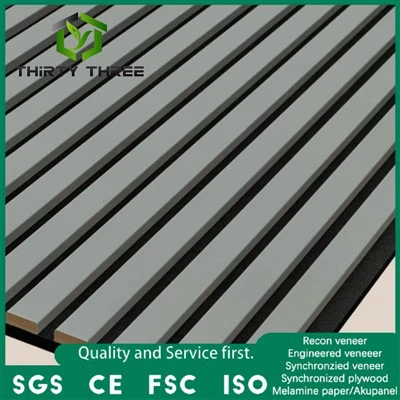
Light - colored surfaces are generally better at reflecting heat radiation compared to dark - colored ones. Our 3D Acoustic Panel Melamine Colors Soundproof comes in a range of light - colored options, which can help in reflecting solar radiation during the day. This reduces the amount of heat that is absorbed by the panel and subsequently transferred into the building.
Real - World Benefits of Heat Insulation
The heat insulation performance of melamine acoustic wall panels brings several practical benefits to buildings.
Energy Efficiency
One of the most significant advantages is improved energy efficiency. In hot climates, buildings without proper insulation require more energy to cool the interior. By using melamine acoustic wall panels, the amount of heat entering the building is reduced. This means that air - conditioning systems don't have to work as hard to maintain a comfortable temperature, resulting in lower energy consumption and cost savings.
In cold climates, the panels prevent heat from escaping, reducing the need for excessive heating. This is not only beneficial for the building owner's wallet but also for the environment, as it reduces the overall energy demand and carbon footprint.
Comfort
Heat insulation also enhances the comfort of the building occupants. A well - insulated building maintains a more stable indoor temperature. There are no extreme temperature fluctuations, which can be uncomfortable for people. In a room with melamine acoustic wall panels, the temperature remains consistent, whether it's a scorching summer day or a freezing winter night.
Protecting Interior Furnishings
Excessive heat can damage interior furnishings. High temperatures can cause wood to warp, paint to fade, and fabrics to deteriorate. By insulating the building with melamine acoustic wall panels, the interior environment is better protected from the harmful effects of heat. This extends the lifespan of furniture, decorations, and other interior elements.
Comparing with Other Insulation Materials
When considering heat insulation, it's important to compare melamine acoustic wall panels with other common insulation materials.
Fiberglass Insulation
Fiberglass is a widely used insulation material. It is effective at reducing heat conduction, similar to melamine acoustic wall panels. However, fiberglass can be difficult to install, and it may pose health risks if the fibers are inhaled. Our melamine acoustic wall panels are easier to install, and they do not have these health concerns. Additionally, the melamine panels offer the added benefit of sound absorption, which fiberglass does not provide to the same extent.
Spray - Foam Insulation
Spray - foam insulation expands to fill gaps and crevices, providing excellent insulation. But it can be expensive and may require professional installation. Melamine acoustic wall panels are a more cost - effective option, especially for large - scale projects. They can be installed by regular contractors, and they offer a more aesthetically pleasing finish compared to the often - rough appearance of spray - foam insulation.
Our Best - Selling Product: Best Selling Melamine Wooden Slat Acoustic Panel Akupanel
Our best - selling melamine wooden slat acoustic panel combines the beauty of wood with the functionality of melamine. The wooden slats on the surface add a natural and warm look to the interior. The melamine core provides the necessary heat insulation and sound absorption.
This panel is a great choice for commercial spaces such as offices, restaurants, and auditoriums. The heat insulation properties ensure a comfortable environment for employees, customers, and guests. At the same time, the sound - absorbing capabilities reduce noise levels, creating a more peaceful and productive space.
Conclusion
In conclusion, high - quality melamine acoustic wall panels offer significant heat insulation benefits. Their unique structure and composition reduce heat transfer through conduction, convection, and radiation. This results in energy efficiency, improved comfort, and protection of interior furnishings.


Compared to other insulation materials, our melamine acoustic wall panels have several advantages. They are easy to install, cost - effective, and offer the added benefit of sound absorption. Whether you are looking to renovate a small room or build a large commercial complex, our panels are a great choice.
If you are interested in purchasing our high - quality melamine acoustic wall panels for your project, we invite you to contact us for more information and to discuss your specific requirements. Our team of experts is ready to assist you in finding the right solution for your heat insulation and acoustic needs.
References
- "Thermal Insulation Materials and Systems" - Handbook on Building Science
- "Acoustic and Thermal Properties of Composite Materials" - Journal of Building Physics
- "The Impact of Interior Wall Panels on Energy Efficiency" - International Journal of Sustainable Building Design