Hey there! As a supplier of 4x8 Recon Poplar Veneer, Dyed, Engineered, I often get asked about the hardness of this product. So, I thought I'd write this blog to give you all the deets on what makes this veneer tick in terms of its hardness.
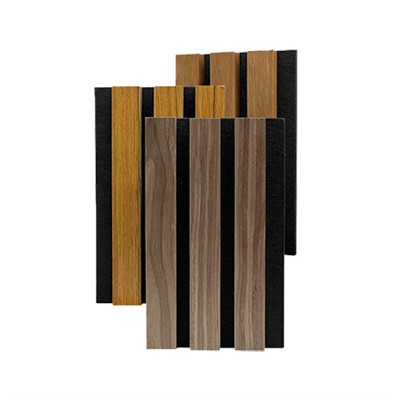
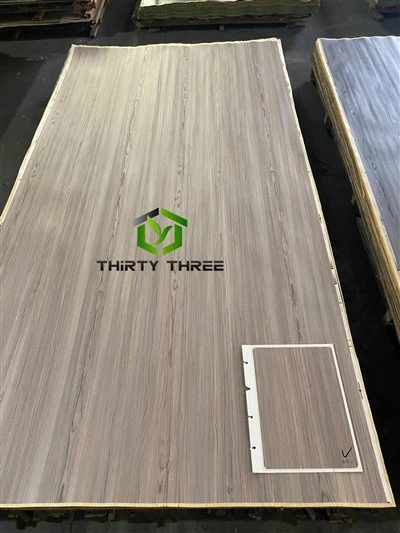
First off, let's understand what 4x8 Recon Poplar Veneer, Dyed, Engineered actually is. It's a type of engineered wood veneer that comes in a standard 4x8 feet size. The "recon" part means it's often a reconstituted or reconstructed material, which gives it some unique properties. The poplar wood is dyed, adding an extra aesthetic appeal, and it's engineered to meet certain quality and performance standards.
Now, onto the hardness. The hardness of wood is typically measured using the Janka hardness test. This test measures the amount of force required to embed an 11.28-mm (0.444-in) steel ball into the wood to half its diameter. The higher the Janka rating, the harder the wood.
Poplar wood, in general, is considered a relatively soft hardwood. The average Janka hardness rating for poplar is around 540 lbf (2,400 N). This means it's not as hard as some other hardwoods like oak or maple, which have Janka ratings of around 1,290 lbf (5,740 N) and 1,450 lbf (6,450 N) respectively.
But here's the thing about our 4x8 Recon Poplar Veneer, Dyed, Engineered. The engineering process can significantly affect its hardness. Through various treatments and manufacturing techniques, we can enhance the hardness of the veneer. For example, the use of adhesives and resins during the engineering process can help bind the wood fibers together more tightly, increasing its overall strength and hardness.
Another factor that can impact the hardness is the dyeing process. While the dye itself doesn't directly increase the hardness, it can sometimes act as a protective layer. The dye can penetrate the wood fibers and fill in some of the pores, making the wood more resistant to wear and tear.
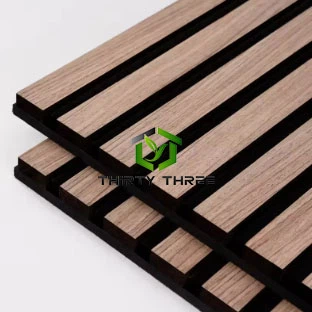
In real-world applications, the hardness of our 4x8 Recon Poplar Veneer, Dyed, Engineered makes it suitable for a variety of uses. It's great for interior applications such as cabinetry, furniture, and wall paneling. Because it's not as hard as some other hardwoods, it's easier to work with. You can cut, shape, and install it without too much difficulty, even if you're a DIY enthusiast.
But it's also important to note that while it's not as hard as some other woods, it still offers good durability. With proper care and maintenance, it can last for a long time. Just avoid using abrasive cleaners or sharp objects that could scratch the surface.
Now, if you're interested in seeing some related products, check out these links. You can learn more about Laminated Melamine Paper Faced Recon Poplar, Recon Face Veneer Dyed Colored Poplar Veneer, and Short Grain Recon Poplar Wood Veneer.


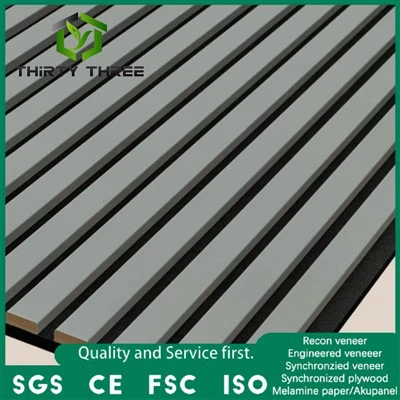
These related products also have their own unique properties and hardness characteristics. For example, the Laminated Melamine Paper Faced Recon Poplar has an additional layer of melamine paper, which can add extra protection and durability. The Recon Face Veneer Dyed Colored Poplar Veneer offers a different aesthetic with its dyed colors, and the Short Grain Recon Poplar Wood Veneer has a unique grain pattern that can add a touch of style to your projects.
If you're in the market for 4x8 Recon Poplar Veneer, Dyed, Engineered or any of our other related products, we'd love to hear from you. Whether you're a contractor, a furniture maker, or a DIYer, we have the products and expertise to meet your needs. Just reach out to us to start a conversation about your project and how our products can fit into it.
In conclusion, the hardness of our 4x8 Recon Poplar Veneer, Dyed, Engineered is a combination of the natural properties of poplar wood and the enhancements made through the engineering and dyeing processes. It offers a good balance of workability and durability, making it a great choice for a wide range of interior applications.
References
- Wood Handbook: Wood as an Engineering Material. Forest Products Laboratory. U.S. Department of Agriculture, Forest Service.
- Janka Hardness Test Information. Various wood industry sources.