Acoustic wall panels are essential elements in sound management, widely used in various settings such as recording studios, theaters, auditoriums, offices, and even residential spaces. As an acoustic wall panel supplier, I often encounter questions from customers regarding the frequency range of these panels. Understanding the frequency range is crucial as it determines the effectiveness of the panels in absorbing or reflecting sound at different frequencies. In this blog post, I will delve into the concept of frequency range in acoustic wall panels, explain how it affects their performance, and highlight some of our top - selling products within this context.
What is Frequency in Sound?
Before discussing the frequency range of acoustic wall panels, it's important to understand what frequency means in the context of sound. Frequency refers to the number of sound wave cycles that occur in one second, and it is measured in Hertz (Hz). Low - frequency sounds have fewer cycles per second and are perceived as deep, bass - like tones, such as the rumble of thunder or the notes from a bass guitar. High - frequency sounds, on the other hand, have more cycles per second and are heard as sharp, treble - like tones, like the chirping of birds or the hiss of a cymbal.
The Frequency Range of Acoustic Wall Panels
The frequency range of acoustic wall panels indicates the span of frequencies at which the panels can effectively absorb or reflect sound. Generally, the frequency range of interest for acoustic applications is between 20 Hz and 20,000 Hz, which is the approximate range of human hearing. However, different types of acoustic wall panels are designed to perform optimally within specific sub - ranges.

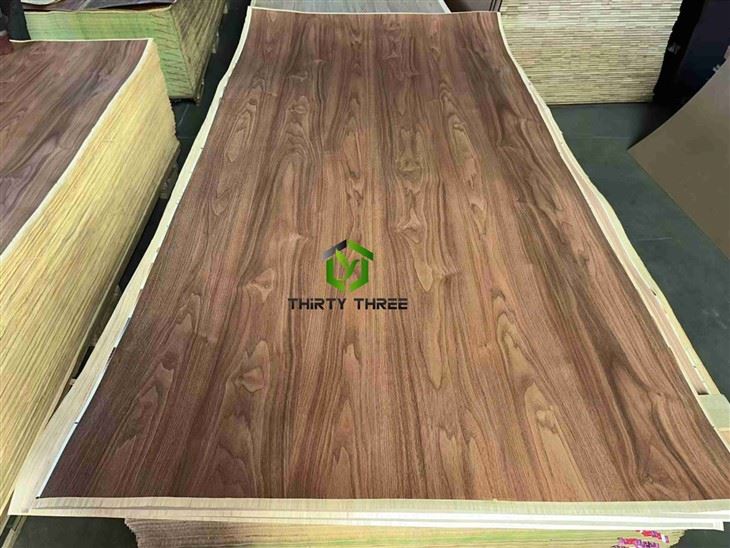
- Low - Frequency Range (20 Hz - 200 Hz): Absorbing low - frequency sounds is often the most challenging task for acoustic wall panels. Low - frequency waves have long wavelengths, which means they require more material and space to be effectively absorbed. Specialized acoustic wall panels with thick and dense materials, such as heavy - duty fiberglass or mineral wool, are typically used to target this range. These panels are commonly found in spaces where bass frequencies are prominent, like recording studios for electronic music or home theaters with powerful subwoofers.
- Mid - Frequency Range (200 Hz - 2000 Hz): This range is crucial for speech intelligibility and the overall balance of sound. Most standard acoustic wall panels are designed to perform well in the mid - frequency range. They can be made from a variety of materials, including fabric - wrapped fiberglass, wood fiberboard, or perforated metal. In office spaces, mid - frequency absorption helps to reduce background noise and improve communication, while in concert halls, it enhances the clarity of musical performances.
- High - Frequency Range (2000 Hz - 20,000 Hz): High - frequency sounds are easier to absorb compared to low - frequency sounds because of their shorter wavelengths. Acoustic wall panels with porous surfaces or fine fibers are very effective in this range. For example, fabric - covered panels with a soft, open - cell structure can efficiently absorb high - frequency reflections, reducing harsh echoes and improving the overall sound quality. This is particularly important in spaces like classrooms, where clear speech transmission is essential.
Factors Affecting the Frequency Range
Several factors can influence the frequency range at which an acoustic wall panel operates effectively:
- Material Composition: The type of material used in the panel plays a significant role. For instance, as mentioned earlier, thick and dense materials are better for low - frequency absorption, while porous and fibrous materials are more effective for high - frequency absorption.
- Panel Thickness: Thicker panels generally have better low - frequency absorption capabilities. A thicker panel provides more mass and space for the sound waves to interact with the material, allowing for greater energy dissipation.
- Panel Density: Higher - density panels can also enhance low - frequency absorption. However, increasing density may also reduce the panel's effectiveness in the high - frequency range.
- Installation Method: The way the panels are installed can impact their performance. Mounting panels with an air gap behind them can improve low - frequency absorption, as the air acts as an additional buffer for the sound waves.
Our Product Range and Frequency Range Performance
As an acoustic wall panel supplier, we offer a diverse range of products, each designed to address specific frequency - related needs.
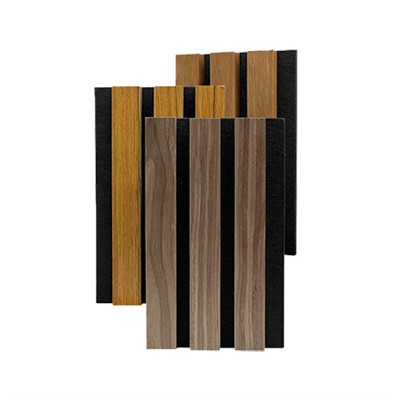
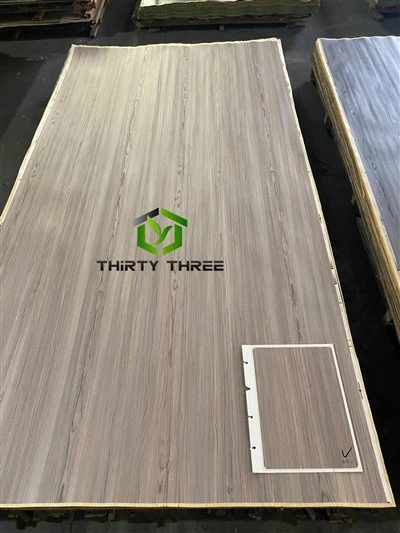
- Low Price Synchronized Wood Grain Melamine Paper: This type of panel is popular for its aesthetic appeal and good mid - frequency absorption. The wood grain melamine paper not only gives the panel a natural look but also contributes to the overall sound - absorbing properties in the range that is most important for speech and general ambient noise reduction. It is suitable for office reception areas, meeting rooms, and small conference halls.
- High Quality Geometric 3D Acoustic Wall Panel: Our geometric 3D acoustic wall panels are a unique solution that combines style with excellent acoustic performance. These panels are designed to scatter sound waves in multiple directions, which helps to reduce echoes across a wide frequency range, including both mid - and high - frequencies. They are ideal for modern - style theaters, art galleries, and contemporary offices where both sound quality and visual appeal are important.
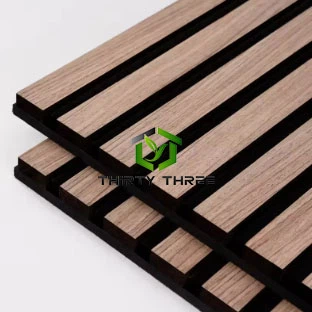
- Lower Price PVC Film Acoustic Slat Wood Panels: These panels offer a cost - effective option for acoustic treatment. The PVC film adds durability and a smooth finish, while the slat wood design provides good mid - frequency absorption. They are commonly used in commercial spaces such as restaurants, cafes, and retail stores, where budget is a consideration but sound quality still needs to be maintained.
Importance of Selecting the Right Frequency Range
Choosing the right frequency range for your acoustic wall panels is essential for achieving the desired sound quality in a space. If the panels are not properly matched to the frequency characteristics of the sound sources in the room, you may end up with an unbalanced sound. For example, if a room has a lot of low - frequency noise but only high - frequency - absorbing panels are installed, the bass frequencies will still remain, leading to a boomy and muddled sound. On the other hand, over - emphasizing high - frequency absorption in a space with predominantly mid - frequency sounds can make the room sound dull and lifeless.
How to Determine the Right Frequency Range for Your Space
- Analyze the Sound Sources: Identify the types of sounds that are present in the space. If it's a music studio, consider the genre of music being produced. If it's an office, think about the typical noise levels and the need for speech clarity.
- Conduct a Sound Analysis: In some cases, it may be necessary to conduct a professional sound analysis of the space. This can help to accurately determine the frequency distribution of the sounds and guide the selection of the appropriate acoustic wall panels.
- Consult with an Acoustic Expert: Our team of acoustic experts is available to assist you in choosing the right panels for your specific needs. We can provide detailed advice based on your space's dimensions, usage, and budget.
Contact Us for Procurement and Consultation
If you are interested in purchasing acoustic wall panels or need more information about their frequency range and performance, we encourage you to contact us. Our dedicated sales team is ready to discuss your requirements, provide samples, and offer competitive pricing. Whether you are a small business owner looking to improve the acoustics of your office or a large - scale event organizer in need of sound - proofing solutions, we have the products and expertise to meet your needs. Start a conversation with us today and take the first step towards achieving the perfect sound environment.
References
- Beranek, Leo L. "Acoustics." American Institute of Physics, 1954.
- Everest, F. Alton. "Master Handbook of Acoustics." McGraw - Hill Education, 2001.
- Kuttruff, Heinrich. "Room Acoustics." Spon Press, 2009.