Hey there! As a supplier of recon poplar with paper, I've been getting a lot of questions lately about what makes recon poplar so special when it comes to papermaking. So, I thought I'd take a deep dive into the chemical composition of recon poplar and how it affects the papermaking process.
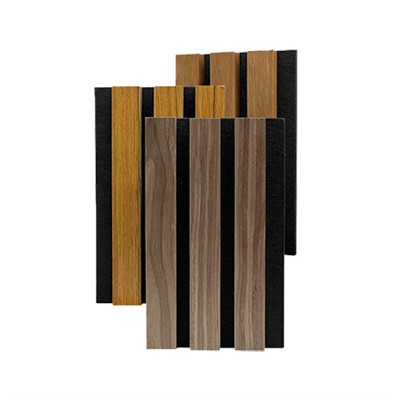
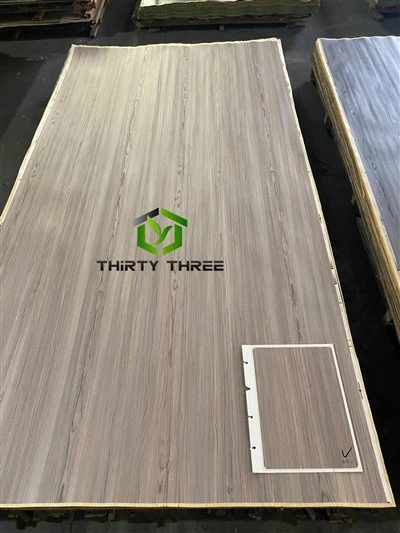
First off, let's talk about what recon poplar is. Recon poplar is a type of engineered wood product that's made by bonding thin layers of poplar veneer together with paper. It's a popular choice for a variety of applications, including furniture, cabinetry, and, of course, papermaking.
So, what's in recon poplar that makes it so great for papermaking? Well, it all comes down to its chemical composition. Poplar wood is made up of several different types of chemicals, including cellulose, hemicellulose, lignin, and extractives. Let's take a closer look at each of these components and how they affect the papermaking process.
Cellulose
Cellulose is the main component of plant cell walls and is the most abundant organic compound on Earth. In poplar wood, cellulose makes up about 40 - 50% of the dry weight. Cellulose is a long, linear polymer made up of glucose units linked together by beta - 1,4 - glycosidic bonds.
In papermaking, cellulose is the key ingredient. It provides the strength and structure to the paper. When poplar wood is processed into pulp, the cellulose fibers are separated from the other components of the wood. These fibers are then suspended in water and formed into a mat on a wire screen. As the water drains away, the cellulose fibers bond together to form a sheet of paper. The long, strong cellulose fibers in recon poplar contribute to the high tensile strength and durability of the paper made from it.
Hemicellulose
Hemicellulose is another important component of poplar wood, making up about 20 - 30% of the dry weight. Unlike cellulose, hemicellulose is a branched polymer made up of several different types of sugars, including xylose, mannose, and galactose.
Hemicellulose plays a crucial role in the papermaking process. It helps to bind the cellulose fibers together, improving the paper's strength and flexibility. During pulping, hemicellulose is partially removed from the wood, but some of it remains in the pulp. This remaining hemicellulose acts as a natural binder, helping the cellulose fibers to form a cohesive sheet of paper.
Lignin
Lignin is a complex polymer that provides rigidity and support to plant cell walls. In poplar wood, lignin makes up about 20 - 30% of the dry weight. Lignin is hydrophobic, which means it doesn't dissolve in water.
In papermaking, lignin can be both a friend and a foe. On one hand, lignin provides some strength to the wood fibers. On the other hand, it can cause the paper to yellow and become brittle over time. That's why, in most papermaking processes, lignin is removed from the pulp through a process called delignification. By removing lignin, the paper becomes whiter, more stable, and less likely to degrade.
Extractives
Extractives are a diverse group of chemicals that are present in small amounts in poplar wood. They include things like resins, fats, waxes, and tannins. Extractives can have both positive and negative effects on papermaking.
Some extractives, such as resins, can cause problems in the papermaking process. They can stick to the equipment, leading to clogging and reduced efficiency. On the other hand, some extractives, like tannins, can have beneficial effects. Tannins can act as natural antioxidants, helping to preserve the paper and prevent it from yellowing.
Now that we've covered the main chemical components of recon poplar, let's talk about how these components affect the quality of the paper made from it.
The high cellulose content in recon poplar means that the paper made from it is strong and durable. The long cellulose fibers provide good tensile strength, making the paper suitable for a variety of applications, from packaging to printing.


The presence of hemicellulose in the pulp helps to improve the paper's formation and flexibility. It allows the cellulose fibers to bond together more effectively, resulting in a smoother and more uniform sheet of paper.
As for lignin, while it needs to be removed to some extent to improve the paper's quality, a small amount of residual lignin can actually be beneficial. It can contribute to the paper's stiffness and opacity.
When it comes to extractives, careful control is necessary. By using proper processing techniques, the negative effects of extractives can be minimized, while the positive effects can be harnessed.
At our company, we take great pride in providing high - quality recon poplar with paper for the papermaking industry. Our products are carefully processed to ensure the optimal balance of chemical components. We offer a range of different types of recon poplar products, such as 4*8 Feet Melamine Faced Engineered Wood Veneer, Premium Quality Long Grain White Recon Poplar Veneer, and Recon Poplar Veneer With Good Quality For Plywood Making. These products are known for their consistent quality and performance in papermaking.
If you're in the market for recon poplar with paper for your papermaking needs, I encourage you to get in touch with us. We're always happy to discuss your requirements and provide you with samples so you can see the quality of our products for yourself. Whether you're a small - scale paper manufacturer or a large industrial operation, we have the right solution for you.
References
- Fengel, D., & Wegener, G. (1984). Wood: Chemistry, Ultrastructure, Reactions. Walter de Gruyter.
- Smook, G. A. (1992). Handbook for Pulp & Paper Technologists. Angus Wilde Publications.
- Rowell, R. M. (2005). Handbook of Wood Chemistry and Wood Composites. CRC Press.