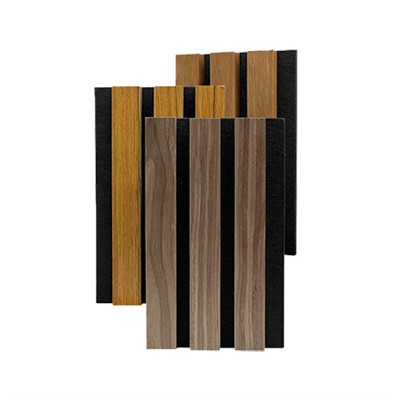
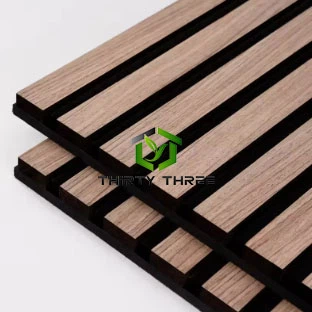
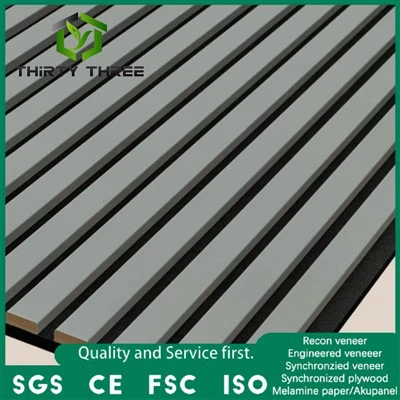
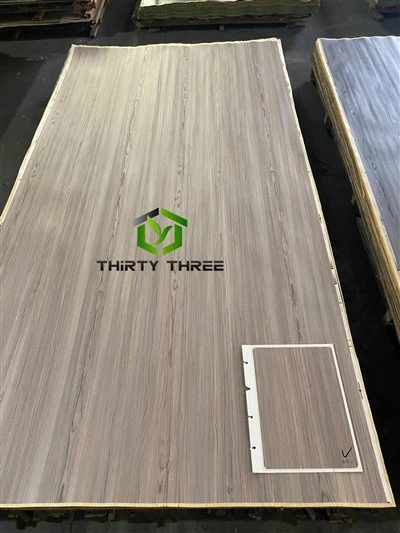
Hey there! As a supplier of recon plywood and red plywood, I often get asked about the sound - insulation properties of these two types of plywood. So, I thought I'd dive deep into this topic and share what I've learned over the years.
Let's start with recon plywood. Recon plywood is known for its versatility and cost - effectiveness. It's made by recycling wood materials, which not only makes it an eco - friendly option but also gives it some unique characteristics. When it comes to sound insulation, recon plywood does a decent job. The multiple layers in recon plywood help to break up sound waves as they pass through. Each layer has a different density and structure, which means that sound waves are reflected, refracted, and absorbed at different points.
The thickness of the recon plywood also plays a crucial role in its sound - insulation capabilities. Thicker recon plywood generally provides better sound insulation. For example, a 2mm 4 X 8 Poplar Core Recon Plywood From China [/recon-plywood/recon-poplar-red-plywood/2mm-4-x-8-poplar-core-recon-plywood-from.html] is going to be more effective at blocking sound than a thinner sheet. The layers in the thicker plywood give sound waves more obstacles to pass through, reducing the amount of sound that can travel through to the other side.
Another factor that affects the sound - insulation of recon plywood is the type of wood used in its construction. Poplar is a common choice for recon plywood, and it has good natural acoustic properties. Poplar wood is relatively dense, which helps to absorb sound waves. Additionally, the way the layers are bonded together can also impact sound insulation. A strong bond between the layers can prevent sound from traveling through the gaps between them.
Now, let's talk about red plywood. Red plywood is often made from high - quality hardwoods, which gives it a more premium look and feel compared to recon plywood. In terms of sound insulation, red plywood also has some great features. The dense nature of the hardwood used in red plywood makes it an excellent sound absorber. Hardwoods like oak or mahogany, which are sometimes used in red plywood, have a tight grain structure that can effectively block and absorb sound.
Red plywood can be a great choice for applications where sound insulation is a top priority, such as recording studios or home theaters. Its ability to reduce noise transmission can create a more peaceful and quiet environment. Just like recon plywood, the thickness of red plywood matters. A thicker red plywood sheet will provide better sound insulation. You can check out Factory Direct Recon Plywood High Quality [/recon-plywood/recon-poplar-red-plywood/factory-direct-recon-plywood-high-quality.html] for options that might suit your needs.
However, it's important to note that both recon plywood and red plywood have their limitations when it comes to sound insulation. They are not going to completely block out all sound, especially extremely loud noises. But they can significantly reduce the amount of sound that passes through, making them a good option for many residential and commercial applications.
When comparing the two, recon plywood is a more budget - friendly option. If you're on a tight budget but still want to improve the sound insulation in a room, recon plywood can be a great choice. It offers a good balance between cost and performance. On the other hand, red plywood is more expensive but provides a higher level of sound insulation and a more aesthetically pleasing appearance.


If you're looking for a specific type of plywood for a decoration project, 1.5mm Recon Poplar Veneer Plywood for Decoration Furniture [/recon-plywood/recon-poplar-red-plywood/1-5mm-recon-poplar-veneer-plywood-for.html] can be a great option. It's thin enough to be used for decorative purposes while still providing some level of sound insulation.
In addition to the type and thickness of the plywood, the installation method also affects sound insulation. Properly sealing the edges of the plywood sheets can prevent sound from leaking through the gaps. Using acoustic sealants and tapes around the edges can enhance the sound - insulation properties of both recon and red plywood.
To sum it up, both recon plywood and red plywood have their own sound - insulation characteristics. Recon plywood is a cost - effective and eco - friendly option that offers decent sound insulation, while red plywood provides a higher level of sound insulation and a more premium look. Depending on your budget, aesthetic preferences, and the specific requirements of your project, you can choose the one that suits you best.
If you're interested in purchasing recon plywood or red plywood for your sound - insulation project, I'd love to have a chat with you. Whether you're a contractor working on a large - scale commercial project or a DIY enthusiast looking to soundproof your home, we have a wide range of options to meet your needs. Just reach out, and we can discuss the best products for your situation.
References
- General knowledge from the wood - working and construction industry
- Studies on the acoustic properties of different types of wood and plywood