Accurately measuring the area for PVC acoustic wall panel installation is a crucial step that can significantly impact the overall success of your project. As a seasoned PVC acoustic wall panel supplier, I've witnessed firsthand how precise measurements lead to efficient installations, cost - effective material usage, and a visually appealing end result. In this blog, I'll guide you through the process of measuring the area for PVC acoustic wall panel installation, sharing tips and best practices along the way.
Why Accurate Measurements Matter
Before delving into the measurement process, it's essential to understand why accurate measurements are so important. Firstly, precise measurements ensure that you order the correct quantity of PVC acoustic wall panels. Ordering too few panels means you'll have to place a second order, which can lead to delays and potential color or pattern mismatches. On the other hand, ordering too many panels results in unnecessary expenses and wasted materials.
Secondly, accurate measurements help in planning the layout of the wall panels. This allows for a seamless installation, minimizing the need for awkward cuts and ensuring that the panels fit together perfectly. A well - planned layout not only enhances the aesthetic appeal of the wall but also improves the acoustic performance of the panels.
Tools You'll Need
To measure the area for PVC acoustic wall panel installation, you'll need a few basic tools:
- Tape Measure: A reliable tape measure is essential for taking accurate length and height measurements. Make sure it's long enough to measure the entire wall.
- Pencil and Paper: You'll need these to record your measurements and make notes.
- Level: A level helps ensure that your measurements are straight and accurate, especially when dealing with large walls.
Measuring a Simple Rectangular Wall
The most straightforward type of wall to measure is a simple rectangular wall. Here's how you can do it:
- Measure the Height: Start by measuring the height of the wall from the floor to the ceiling. Place the tape measure at the base of the wall and extend it vertically to the ceiling. Make sure the tape measure is straight and record the measurement in feet or meters.
- Measure the Length: Next, measure the length of the wall. Place the tape measure at one end of the wall and extend it horizontally to the other end. Again, ensure that the tape measure is straight and record the measurement.
- Calculate the Area: To calculate the area of the wall, multiply the height by the length. For example, if the height of the wall is 8 feet and the length is 12 feet, the area of the wall is 8 x 12 = 96 square feet.
Measuring a Wall with Windows or Doors
Most walls have windows, doors, or other openings that need to be accounted for when measuring the area for PVC acoustic wall panel installation. Here's how you can handle this:
- Measure the Wall: First, measure the height and length of the entire wall as described above. Calculate the total area of the wall.
- Measure the Openings: Measure the height and width of each window and door on the wall. Calculate the area of each opening by multiplying the height by the width.
- Subtract the Area of the Openings: Subtract the total area of all the openings from the total area of the wall. For example, if the total area of the wall is 96 square feet and the total area of the windows and doors is 20 square feet, the area to be covered with PVC acoustic wall panels is 96 - 20 = 76 square feet.
Measuring Irregularly Shaped Walls
Irregularly shaped walls, such as those with alcoves, angled corners, or curved sections, require a more detailed approach. Here's how you can measure them:
- Break the Wall into Sections: Divide the irregular wall into smaller, regular - shaped sections, such as rectangles and triangles.
- Measure Each Section: Measure the height and length of each section and calculate the area of each section using the appropriate formulas. For rectangles, multiply the height by the length. For triangles, multiply the base by the height and divide by 2.
- Sum Up the Areas: Add up the areas of all the sections to get the total area of the irregular wall.
Accounting for Waste
When ordering PVC acoustic wall panels, it's important to account for waste. Waste can occur due to cuts, mistakes, or unforeseen circumstances during the installation process. As a general rule, it's recommended to add an additional 5 - 10% to the total measured area to account for waste. For example, if the measured area is 76 square feet, adding 10% waste would mean ordering enough panels to cover 76+(76 x 0.1)= 83.6 square feet.
Choosing the Right PVC Acoustic Wall Panels
Once you've accurately measured the area, it's time to choose the right PVC acoustic wall panels for your project. At our company, we offer a wide range of high - quality PVC acoustic wall panels to suit different needs and budgets.


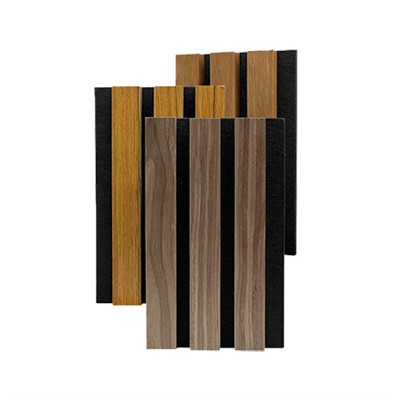
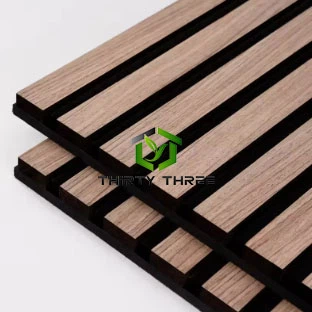
If you're looking for a cost - effective option, check out our Factory Price PVC Wooden Acoustic Wall Panel For Indoor. These panels offer excellent acoustic performance at an affordable price.
For a more premium look, our High Quality PVC Wooden Slat Acoustic Panel is a great choice. The wooden slat design adds a touch of elegance to any space while providing superior acoustic insulation.
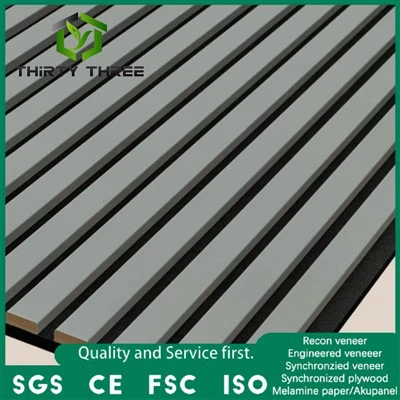
And if you're interested in a wholesale design, our High Quality Akupanel With Wholesale Design is the perfect solution. It offers a unique and stylish look at a wholesale price.
Conclusion
Measuring the area for PVC acoustic wall panel installation is a critical step in any project. By following the steps outlined in this blog, you can ensure that you order the right quantity of panels, plan the layout effectively, and achieve a beautiful and functional result.
If you have any questions about measuring the area for PVC acoustic wall panel installation or need help choosing the right panels for your project, don't hesitate to contact us. We're here to assist you every step of the way. Whether you're a contractor working on a large commercial project or a homeowner looking to enhance the acoustics of your living space, we have the expertise and products to meet your needs. Start your journey towards a better - sounding space today!
References
- Construction Measurement Handbook: A guide to accurate measurements in construction projects.
- Acoustic Wall Panel Installation Manuals: Various manufacturers' manuals that provide insights into measuring and installing acoustic wall panels.