Hey there! I'm a supplier of recon poplar with paper, and I'm super excited to share with you how recon poplar is used in paper production. Recon poplar has become a game - changer in the paper - making industry, and I'll walk you through the whole process.


What is Recon Poplar?
First things first, let's talk about what recon poplar is. Recon poplar is a type of engineered wood product. It's made by bonding thin layers of poplar veneer together. Poplar is a great choice for this because it's a fast - growing tree, which makes it a sustainable option. Plus, poplar wood has a relatively smooth texture and consistent grain, which are important qualities for paper production.
Preparing the Recon Poplar
Before the recon poplar can be used in paper production, it goes through a few preparation steps. The first step is to select high - quality poplar logs. We at our supply end make sure that only the best logs are chosen. These logs are then debarked to remove the outer layer of bark. This is important because bark can contain impurities that might affect the quality of the paper.
After debarking, the logs are cut into smaller pieces. We use special saws that can make precise cuts, ensuring that the pieces are of the right size for the next stage. These smaller pieces are then chipped into even tinier fragments. The chipping process is crucial as it increases the surface area of the wood, making it easier to break down the fibers later on.
Breaking Down the Fibers
Once the recon poplar is chipped, the next big step is to break down the wood fibers. There are a couple of ways to do this. One common method is mechanical pulping. In mechanical pulping, the wood chips are ground between large rotating stones or disks. This physical force breaks the chips into individual fibers. The advantage of mechanical pulping is that it's a relatively simple and cost - effective process. However, the resulting pulp may have some shorter fibers, which can affect the strength of the paper.
Another method is chemical pulping. In chemical pulping, the wood chips are cooked in a solution of chemicals. These chemicals, usually a mixture of sodium hydroxide and sodium sulfide, dissolve the lignin that holds the wood fibers together. Lignin is a natural polymer that gives wood its rigidity. By removing the lignin, we can separate the fibers more easily. Chemical pulping produces a pulp with longer and stronger fibers, which is great for making high - quality paper.
Pulp Processing
After the fibers are separated, the pulp goes through a series of processing steps. First, the pulp is washed to remove any remaining chemicals or impurities. This is really important because impurities can cause discoloration or weaken the paper. Then, the pulp is screened to remove any large particles or clumps that might have formed during the pulping process.
Next, the pulp is refined. Refining is like giving the fibers a little makeover. It helps to improve the bonding between the fibers, which in turn enhances the strength and smoothness of the paper. During refining, the pulp is passed through a series of rotating disks or plates that gently beat and fluff up the fibers.
Forming the Paper
Once the pulp is processed, it's time to turn it into paper. The pulp is diluted with water to create a thin suspension called the paper stock. This stock is then poured onto a moving wire mesh. As the water drains through the mesh, the fibers start to bond together and form a thin layer on the mesh. This layer is the beginning of our paper.
After the initial formation on the wire mesh, the wet paper is transferred to a series of felt - covered rollers. These rollers press the paper to remove more water and further compact the fibers. The paper then goes through a drying section. In the drying section, the paper is passed over heated cylinders or through hot air tunnels. This evaporates the remaining water, leaving behind a dry and strong sheet of paper.
Types of Paper Made from Recon Poplar
Recon poplar can be used to make a variety of paper products. One common type is newsprint. Newsprint is the paper used for newspapers. It needs to be relatively inexpensive and have good printability. The pulp from recon poplar, especially when produced through mechanical pulping, is well - suited for making newsprint.
Another type is printing and writing paper. This kind of paper is used for things like books, magazines, and office documents. For printing and writing paper, chemical pulping is often preferred because it produces stronger and more uniform fibers, resulting in a higher - quality paper.
We also have specialty papers that can be made from recon poplar. These include packaging papers, tissue papers, and even some types of art papers. Each of these papers has specific requirements in terms of strength, smoothness, and absorbency, and the properties of the recon poplar pulp can be adjusted to meet these needs.
Our Products
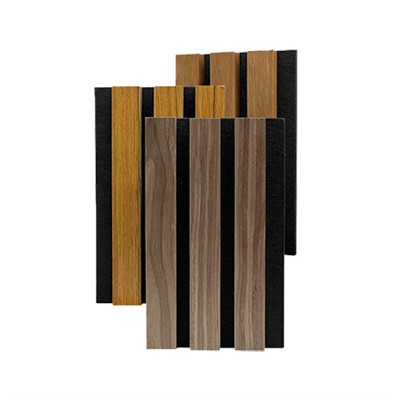
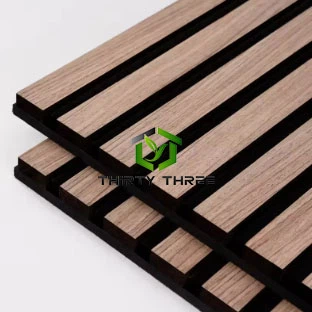
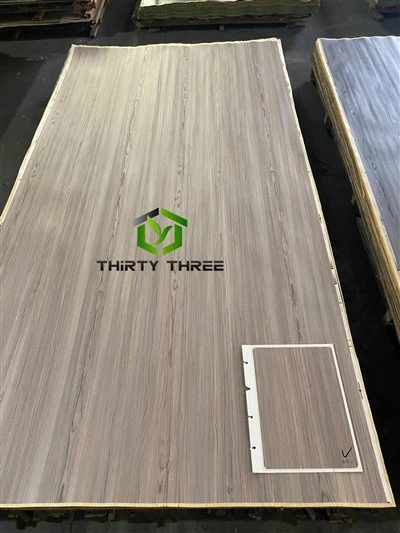
If you're interested in our recon poplar products for paper production, we have a great range. Check out our Factory Price 4x8 White Recon Poplar Veneer. This veneer is of top - notch quality and can be a great starting material for high - grade paper. We also offer Laminated Melamine Paper Faced Recon Poplar, which has some unique features that can add value to your paper - making process. And for those who need a specific size, our 2500x1250mm White Recon Poplar Veneer With Good Quality is a great option.
Why Choose Our Recon Poplar for Paper Production
There are several reasons why you should consider our recon poplar for your paper production needs. Firstly, we ensure strict quality control at every stage, from log selection to the final product. This means that you'll get a consistent and high - quality raw material for your paper.
Secondly, our recon poplar is sourced sustainably. We're committed to environmental responsibility, and by using fast - growing poplar trees, we're helping to reduce the impact on natural forests.
Finally, we offer competitive prices. We understand that cost is an important factor in any business, and we strive to provide you with the best value for your money.
Let's Connect
If you're in the paper - making business and are interested in using our recon poplar products, I'd love to hear from you. Whether you have questions about our products, need samples, or want to discuss a potential purchase, don't hesitate to reach out. We're here to help you get the most out of our recon poplar in your paper production process.
References
- "Wood Pulping Principles and Practice" by Christopher J. Biermann
- "Papermaking: The History and Technology of an Ancient Craft" by Mark Kurlansky