Natural acoustic wall panels have emerged as a significant element in interior design, blending functionality with aesthetic appeal. As a supplier of natural acoustic wall panels, I have witnessed firsthand how these panels can transform the look and feel of a room. In this blog, we will explore the various ways in which natural acoustic wall panels affect the aesthetics of a room.
Creating a Warm and Inviting Atmosphere
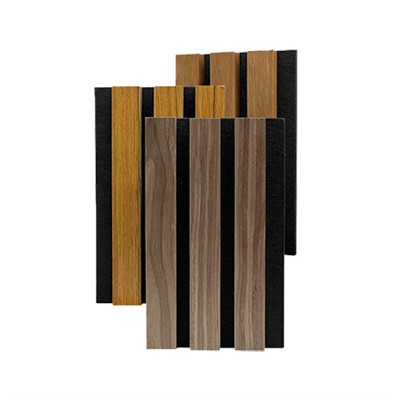
One of the most prominent ways natural acoustic wall panels impact room aesthetics is by creating a warm and inviting atmosphere. Natural materials such as wood, which is commonly used in acoustic wall panels, have an inherent warmth that can make a space feel cozy and comfortable. The natural grain patterns and textures of wood add a touch of organic beauty to the room, making it more appealing to the eye.

For example, our Wholesale Soundproofing Natural MDF Acoustic Panels are made from high - quality natural MDF. The smooth yet textured surface of these panels gives a sense of refinement and elegance. When installed in a living room or a lounge area, they can make the space feel like a warm and welcoming retreat. The natural color tones of the wood also complement a wide range of interior color schemes, making it easier to integrate the panels into different design styles.

Adding Visual Interest and Depth
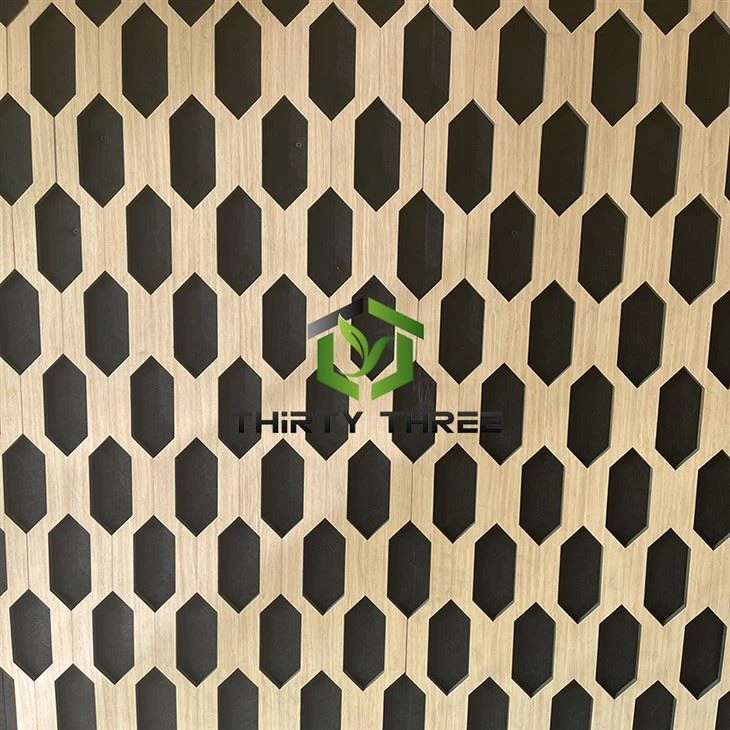
Natural acoustic wall panels can add visual interest and depth to a room. The three - dimensional nature of these panels breaks up the monotony of a flat wall surface. The raised or recessed patterns on the panels create shadows and highlights, which draw the eye and give the room a more dynamic look.
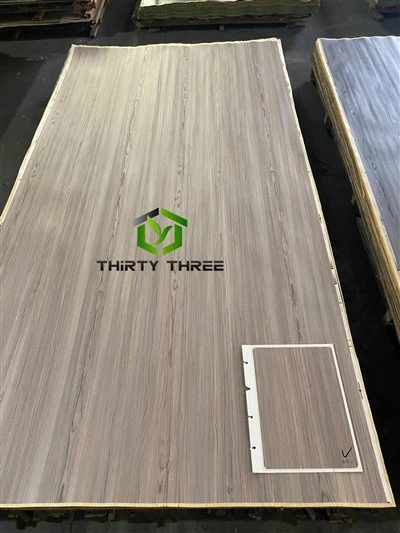
Take our Solid Wood Natural Sound Insulation Wall Panel as an example. The unique grain patterns of the solid wood, combined with the panel's structure, create a visually captivating effect. In a large, open - plan office or a hotel lobby, these panels can serve as a focal point, adding a sense of drama and sophistication. The different textures and patterns available in natural acoustic wall panels allow for creative expression in interior design, enabling designers to create truly unique spaces.
Enhancing the Overall Design Theme
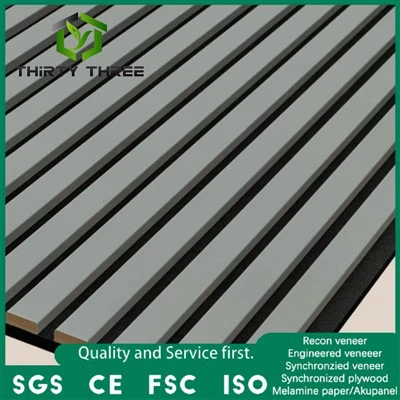
Natural acoustic wall panels can enhance the overall design theme of a room. Whether the design is modern, rustic, or traditional, there are natural acoustic wall panels that can fit the style. For a modern design, sleek and minimalist natural wood panels can be used to create a clean and contemporary look. The smooth finish and simple lines of these panels can complement other modern elements in the room, such as glass furniture and metallic accents.
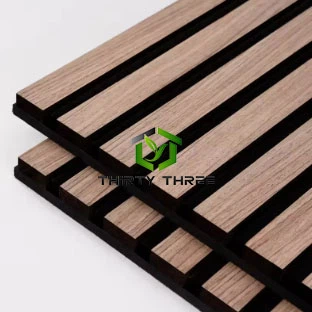
In a rustic or traditional setting, panels made from reclaimed wood or with a distressed finish can add an authentic touch. Our Walnut Natural Wood Akupanel Acoustic Panel with its rich walnut color and natural wood characteristics is perfect for a traditional or rustic interior. It can be paired with earth - toned fabrics, antique furniture, and stone elements to create a cohesive and charming design.
Improving Color and Light in the Room
The color and light in a room are also affected by natural acoustic wall panels. Natural wood panels have a range of colors, from light - toned woods like maple to dark - toned woods like walnut. These colors can influence the perceived brightness and mood of the room. Light - colored panels can reflect more light, making a room appear brighter and more spacious. Dark - colored panels, on the other hand, can add a sense of intimacy and sophistication.
Moreover, the texture of natural acoustic wall panels can interact with light in interesting ways. The uneven surfaces of the panels scatter light, creating a soft and diffused lighting effect. This can be particularly beneficial in rooms where harsh lighting needs to be avoided, such as bedrooms or art galleries.

Harmonizing with Other Elements in the Room
Natural acoustic wall panels can harmonize with other elements in the room, such as furniture, flooring, and decor. Since they are made from natural materials, they have a natural affinity with other natural elements. For example, if the room has a wooden floor, natural acoustic wall panels can be chosen to match or complement the floor's color and grain. This creates a seamless and cohesive look throughout the room.
In addition, the acoustic properties of the panels can also enhance the overall experience in the room. By reducing echo and noise, they create a more peaceful and comfortable environment, which in turn makes the room more enjoyable to be in. This harmonious combination of aesthetics and functionality is what makes natural acoustic wall panels such a valuable addition to any interior design.
Customization and Flexibility
Another aspect of how natural acoustic wall panels affect room aesthetics is through their customization and flexibility. As a supplier, we offer a wide range of options in terms of size, shape, color, and pattern. This allows designers and homeowners to create a truly unique look for their rooms.
Panels can be cut and arranged in different configurations to create geometric patterns or free - form designs. They can also be combined with other materials, such as metal or glass, to add an extra layer of visual interest. This level of customization ensures that the natural acoustic wall panels can fit into any design concept, no matter how complex or specific it may be.
Conclusion
In conclusion, natural acoustic wall panels have a profound impact on the aesthetics of a room. They create a warm and inviting atmosphere, add visual interest and depth, enhance the overall design theme, improve color and light, harmonize with other elements, and offer customization and flexibility. Whether you are designing a residential space, a commercial building, or a public area, natural acoustic wall panels can be a game - changer in terms of both style and functionality.
If you are interested in learning more about our natural acoustic wall panels or are considering a purchase for your project, we encourage you to reach out. Our team of experts is ready to assist you in selecting the right panels for your specific needs and design preferences. We look forward to the opportunity to work with you and help you create a beautiful and acoustically optimized space.
References
- Knudsen, V. O. (1932). Architectural Acoustics. McGraw - Hill.
- Beranek, L. L. (1954). Acoustics. McGraw - Hill.
- Salomons, E. M. (2001). Building Acoustics. Taylor & Francis.