Hey there! As an acoustic wall panel supplier, I've gotten tons of questions about how our products hold up in high - humidity environments. So, I thought I'd sit down and share what I know.
First off, let's talk about why humidity can be a big deal for acoustic wall panels. High humidity means there's a lot of moisture in the air. And moisture can mess with the materials that make up these panels. You see, most acoustic wall panels are made from things like fiberglass, foam, or wood. Each of these materials reacts differently to humidity.
Fiberglass panels are a popular choice. They're known for their great sound - absorption properties. But in a high - humidity environment, the moisture can start to break down the fibers over time. This can lead to a loss of their acoustic performance. The fibers might clump together, which reduces the surface area available to absorb sound waves. And that means your panels won't work as well as they should.
Foam panels are another option. They're lightweight and easy to install. However, foam is pretty porous. In a high - humidity setting, it can soak up a lot of moisture. When that happens, the foam can become heavy and start to sag. This not only affects the appearance of the panels but also their ability to absorb sound. Plus, the excess moisture can create a breeding ground for mold and mildew, which is a huge health hazard.


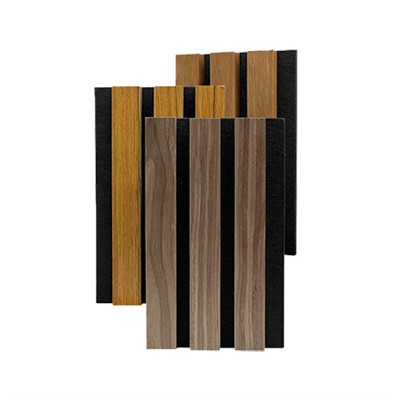
Wooden acoustic wall panels give a warm and natural look to any space. But wood is highly sensitive to changes in humidity. When it's too humid, wood can swell. This can cause the panels to warp, crack, or even come loose from the wall. And once the wood is damaged, its acoustic properties are compromised.
Now, let's look at what we can do to make our acoustic wall panels more resistant to high humidity. One approach is to use special coatings. These coatings act as a barrier, preventing moisture from seeping into the panel's material. For example, some fiberglass panels can be coated with a water - resistant polymer. This helps to keep the fibers dry and maintain their structural integrity.
Another solution is to choose materials that are inherently more resistant to humidity. There are some types of foam that are treated to be more water - repellent. And for wooden panels, we can use hardwoods that are naturally more stable in humid conditions.
At our company, we've been working hard to develop acoustic wall panels that can stand up to high - humidity environments. We test our products in simulated high - humidity chambers to ensure they meet our quality standards. And we're constantly researching and experimenting with new materials and technologies.
We also offer a range of products that are specifically designed for high - humidity areas. For instance, our High Quality Folding Laptop Table For Study Use is made with materials that are highly resistant to moisture. It's perfect for places like basements or bathrooms, where humidity levels tend to be high.
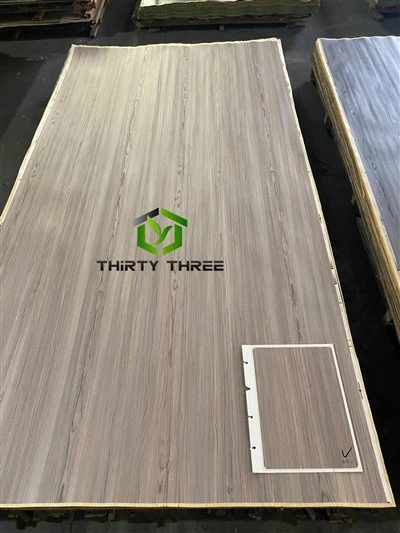
Our Synchronized Laminated Veneer Paper With Lower Price is another great option. It combines the aesthetic appeal of wood with the durability needed for humid conditions. The laminated veneer provides an extra layer of protection against moisture, while still maintaining excellent acoustic performance.
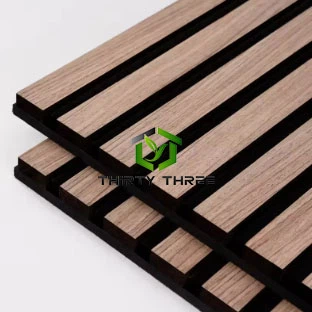
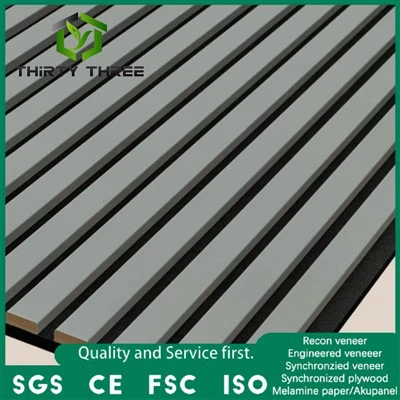
And of course, our Premium Acoustic Wall Panel For Interior Decoration is a top - notch choice. It's engineered to resist the effects of high humidity, so you can enjoy great sound quality and a beautiful look in any space.
When installing acoustic wall panels in a high - humidity environment, proper ventilation is key. Good airflow helps to reduce the amount of moisture in the air, which in turn protects the panels. You might also want to consider using a dehumidifier to keep the humidity levels in check.
Regular maintenance is also crucial. Inspect the panels regularly for any signs of damage or moisture. If you notice any issues, address them right away. For example, if you see a small crack in a wooden panel, you can repair it before it gets worse.
In conclusion, while high - humidity environments can pose challenges for acoustic wall panels, there are solutions available. With the right materials, coatings, and installation methods, our acoustic wall panels can perform well even in the most humid conditions.
If you're interested in purchasing acoustic wall panels for a high - humidity area, I'd love to talk to you. We can discuss your specific needs and help you choose the best product for your space. Whether you're looking to soundproof a home theater, a recording studio, or a commercial building, we've got you covered.
So, don't hesitate to reach out. Let's work together to create a space that sounds great and looks amazing, even in high - humidity environments.
References
- "Building Acoustics: Noise Control in Buildings" by Cyril M. Harris
- "Acoustics: Sound Fields and Transducers" by Neville G. Fletcher and Thomas D. Rossing