Hey there! As a supplier of technical acoustic wall panels, I get asked a ton of questions about how well these panels work, especially when it comes to mid - frequency sounds. So, I thought I'd dive deep into this topic and share what I know.
First off, let's talk about what mid - frequency sounds are. Mid - frequencies generally range from about 250 Hz to 2000 Hz. These are the frequencies that we hear a lot in our daily lives. Think of the human voice, which has a significant presence in the mid - frequency range. The warmth and clarity of music, like the strumming of a guitar or the notes of a piano, also heavily rely on mid - frequencies.
Now, the big question: do technical acoustic wall panels work for mid - frequency sounds? The short answer is yes, but it's a bit more complicated than that.
How Technical Acoustic Wall Panels Work
Technical acoustic wall panels are designed to absorb, reflect, or diffuse sound waves. They're made from a variety of materials, each with its own unique properties. Some common materials include fiberglass, mineral wool, and wood.
When sound waves hit an acoustic wall panel, one of three things can happen. If it's an absorptive panel, the sound energy is converted into heat energy as the waves penetrate the panel's porous structure. Reflective panels bounce the sound waves back into the room, while diffusive panels scatter the sound in different directions.
For mid - frequency sounds, absorptive panels are often the most effective. The porous nature of these panels allows the mid - frequency sound waves to enter and get trapped, reducing their intensity. For example, a panel made of fiberglass has tiny air pockets that disrupt the sound waves. As the waves travel through these pockets, they lose energy, which in turn reduces the overall sound level in the room.
Factors Affecting Performance
However, the performance of technical acoustic wall panels for mid - frequency sounds isn't just about the material. There are several other factors at play.
Thickness of the Panel
Thicker panels generally absorb mid - frequency sounds better. A thicker panel provides more space for the sound waves to travel through and lose energy. For instance, a 2 - inch thick fiberglass panel will absorb mid - frequencies more effectively than a 1 - inch thick one. But it's important to note that there's a point of diminishing returns. After a certain thickness, adding more material won't significantly improve absorption.
Density of the Material
The density of the material also matters. A denser material can absorb mid - frequency sounds more efficiently up to a certain point. For example, a high - density mineral wool panel will often outperform a low - density one when it comes to mid - frequency absorption. But again, there are trade - offs. A very dense panel might be heavier and more expensive.
Installation
Proper installation is crucial. If the panels aren't installed correctly, there could be gaps or spaces that allow sound to escape. For mid - frequency sounds, a tight fit is essential. The panels should be installed flush against the wall, and any seams should be sealed properly.
Real - World Applications
Let's look at some real - world scenarios where technical acoustic wall panels can make a difference for mid - frequency sounds.
Recording Studios
In a recording studio, mid - frequencies are critical for capturing clear and accurate audio. Technical acoustic wall panels can help create a controlled environment by reducing unwanted reflections and echoes. This allows the recording engineer to capture the purest sound possible. For example, in a vocal recording booth, absorptive panels can be used to absorb mid - frequency sounds from the singer's voice, preventing them from bouncing around the room and causing distortion.
Home Theaters
In a home theater, mid - frequencies contribute to the overall clarity of dialogue and the richness of the sound. By installing acoustic wall panels, you can enhance the viewing experience. For instance, diffusive panels can be used to scatter mid - frequency sounds, creating a more immersive audio environment.
Offices
In an office setting, mid - frequency sounds like the hum of conversations and the clatter of keyboards can be distracting. Technical acoustic wall panels can help reduce noise levels, creating a more productive work environment. Absorptive panels can be installed on the walls to absorb mid - frequency sounds, making the office quieter and more comfortable.
Our Product Range
At our company, we offer a wide range of technical acoustic wall panels that are great for mid - frequency sounds.
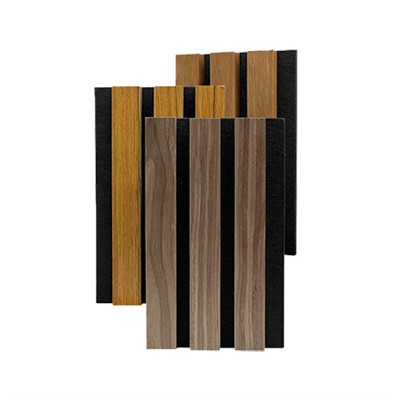
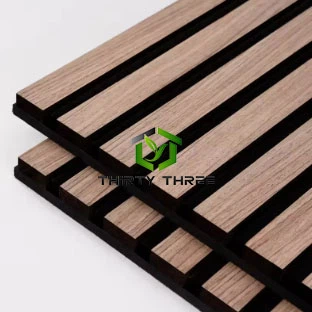
One of our popular products is the Technical Walnut Acoustic Wall Panel for Canada Market. This panel is made from high - quality walnut wood, which has excellent mid - frequency absorption properties. The natural beauty of the walnut also adds a touch of elegance to any space.


If you're on a budget, our Lower - Price Music Room Decorative CE Technical Akupanels are a great option. These panels are designed to be both functional and decorative. They can effectively absorb mid - frequency sounds in a music room or any other space where sound control is needed.
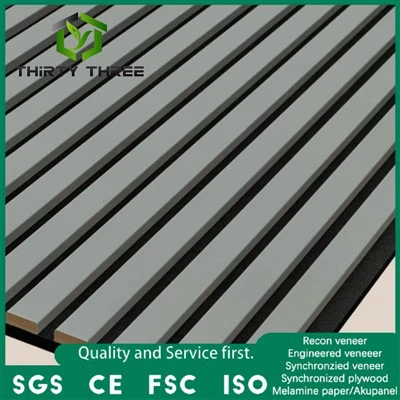
For those who need fire - resistant options, our Wholesale Fireproof Wall Panel Akupanel For Decoration is a top choice. It's made from a special fireproof material that still maintains good mid - frequency absorption capabilities.
Conclusion
So, to sum it up, technical acoustic wall panels do work for mid - frequency sounds. They can significantly improve the acoustic quality of a room by absorbing, reflecting, or diffusing these important frequencies. However, the performance depends on various factors such as the material, thickness, density, and installation.
If you're interested in improving the acoustic environment of your space, whether it's a recording studio, home theater, or office, our technical acoustic wall panels are a great solution. We have a wide range of products to meet your specific needs and budget.
If you want to learn more about our products or discuss your project, feel free to reach out to us. We're here to help you create the perfect acoustic space.
References
- Beranek, Leo L. "Acoustics." American Institute of Physics, 1954.
- Cox, Trevor J., and Peter D'Antonio. "Acoustic Absorbers and Diffusers: Theory, Design and Application." Taylor & Francis, 2004.
- Barron, Michael. "Noise and Vibration Control Engineering: Principles and Applications." CRC Press, 2011.