In the realm of acoustic engineering, the pursuit of optimal sound control is a continuous journey. High - frequency sounds, often characterized by their sharpness and short wavelengths, can be particularly challenging to manage. As a supplier of technical acoustic wall panels, I am frequently asked whether these panels are effective in dealing with high - frequency sounds. In this blog, we will delve into the science behind acoustic wall panels and their performance against high - frequency noise.


Understanding High - Frequency Sounds
High - frequency sounds typically range from 2000 Hz to 20,000 Hz. These sounds are often associated with the treble range in audio. Examples of high - frequency sounds include the screeching of a chalk on a blackboard, the high - pitched beeping of an alarm, or the hissing of steam. They can be extremely annoying and even harmful to human hearing over prolonged exposure.
The short wavelengths of high - frequency sounds make them more directional and less likely to diffract around obstacles compared to low - frequency sounds. This means that they can be more easily blocked or absorbed if the right materials and techniques are employed.
How Technical Acoustic Wall Panels Work
Technical acoustic wall panels are designed to control sound in various ways, primarily through absorption, diffusion, and reflection.
Absorption
Absorption is the process by which sound energy is converted into heat energy as it passes through a material. Acoustic wall panels are often made of porous materials such as fiberglass, mineral wool, or open - cell foams. These materials have a complex internal structure that allows sound waves to enter and bounce around, gradually losing their energy.
For high - frequency sounds, the small pores and cavities in the acoustic panel materials are particularly effective. The short wavelengths of high - frequency sounds can easily penetrate these small spaces, where they are absorbed through friction and viscous losses. The more porous the material and the greater its surface area, the more effective it is at absorbing high - frequency sounds.
Diffusion
Diffusion is the scattering of sound waves in multiple directions. Acoustic wall panels with a diffusive surface can break up high - frequency sound waves, reducing the intensity of direct reflections and creating a more even sound field in a room. Diffusers are often designed with geometric patterns or irregular shapes that cause sound waves to scatter randomly.
This is important for high - frequency sounds because they tend to create harsh echoes and hotspots in a room. By diffusing these sounds, the overall acoustic quality of the space is improved, and the listener experiences a more natural and balanced sound.
Reflection
In some cases, acoustic wall panels can also be used to reflect sound waves. This is typically done with hard, dense materials such as wood or metal. However, for high - frequency sound control, reflection is usually not the primary goal, as it can lead to the buildup of sound energy in a room. Instead, reflection is often used in combination with absorption and diffusion to achieve the desired acoustic effect.
Evidence of Effectiveness Against High - Frequency Sounds
Numerous studies and real - world applications have demonstrated the effectiveness of technical acoustic wall panels in controlling high - frequency sounds.
In recording studios, for example, acoustic wall panels are essential for creating a high - quality sound environment. High - frequency sounds such as cymbal crashes and vocal sibilance can be effectively absorbed and diffused by the panels, reducing unwanted reflections and improving the clarity of the recorded audio.
In office spaces, high - frequency sounds from printers, computers, and conversations can be a major source of distraction. Acoustic wall panels can significantly reduce the noise level and improve the speech intelligibility in these environments, leading to increased productivity and employee comfort.
Our Product Range for High - Frequency Sound Control
As a supplier of technical acoustic wall panels, we offer a wide range of products that are specifically designed to address high - frequency sound issues.
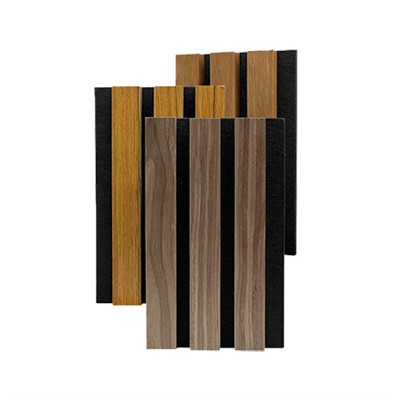
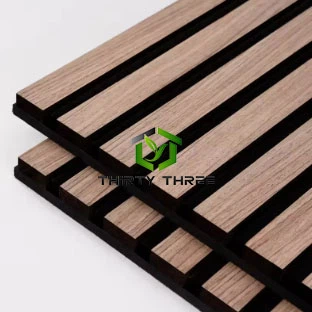
Soundproof Engineered Wood Veneer Acoustic Wall Panel
This panel combines the aesthetic appeal of wood veneer with excellent acoustic performance. The engineered wood structure provides a certain degree of density, which helps to block and absorb high - frequency sounds. The porous core material further enhances the absorption capabilities, making it an ideal choice for spaces where both style and sound control are important, such as restaurants, hotels, and conference rooms.
Hot - Sale Fireproof Technical Oak Wooden Slat Acoustic Panel
Our fireproof oak wooden slat acoustic panel is not only resistant to fire but also highly effective in controlling high - frequency sounds. The natural grain and texture of the oak wood add a touch of elegance to any space, while the slat design provides both absorption and diffusion properties. The gaps between the slats allow high - frequency sound waves to enter and be absorbed by the underlying acoustic material, while the irregular surface diffuses the reflected sound.
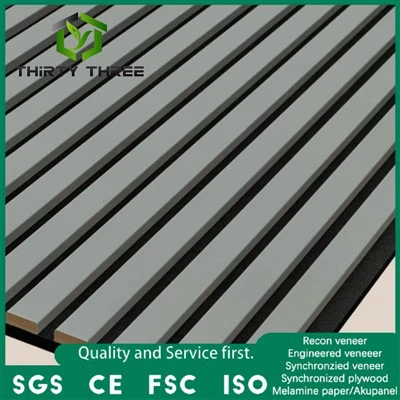
Decorative Acoustic Panels With Factory Price
These decorative acoustic panels offer a cost - effective solution for high - frequency sound control. They come in a variety of designs and colors, allowing you to customize the look of your space while improving its acoustic quality. The panels are made of high - quality acoustic materials that are specifically engineered to absorb and diffuse high - frequency sounds.
Factors Affecting the Performance of Acoustic Wall Panels Against High - Frequency Sounds
While technical acoustic wall panels are generally effective in controlling high - frequency sounds, several factors can affect their performance.
Panel Thickness
Thicker acoustic wall panels tend to be more effective at absorbing high - frequency sounds, especially in the lower end of the high - frequency range. This is because the sound waves have more material to travel through, increasing the chances of absorption. However, there is a point of diminishing returns, as very thick panels may not provide a significant improvement in absorption beyond a certain thickness.
Panel Density
The density of the acoustic panel material also plays a role in high - frequency sound absorption. A higher density material can provide better blocking of high - frequency sounds, but it may also reduce the panel's ability to absorb sound through its porous structure. Therefore, a balance needs to be struck between density and porosity to achieve optimal performance.
Installation Method
The way in which acoustic wall panels are installed can also affect their performance. Proper installation ensures that there are no gaps or air leaks around the panels, which can allow high - frequency sounds to bypass the absorption and diffusion mechanisms. Additionally, the spacing between the panels and the wall can influence the acoustic properties of the system.
Conclusion
In conclusion, technical acoustic wall panels are highly effective in controlling high - frequency sounds. Through absorption, diffusion, and reflection, these panels can significantly reduce the intensity of high - frequency noise, improve the acoustic quality of a space, and create a more comfortable and productive environment.
If you are facing high - frequency sound issues in your home, office, studio, or any other space, our range of technical acoustic wall panels can provide a solution. We invite you to explore our products, such as the Soundproof Engineered Wood Veneer Acoustic Wall Panel, Hot - Sale Fireproof Technical Oak Wooden Slat Acoustic Panel, and Decorative Acoustic Panels With Factory Price.
If you are interested in learning more about our products or discussing your specific acoustic needs, please feel free to contact us. Our team of experts is ready to assist you in finding the best acoustic solution for your project.
References
Beranek, Leo L. "Acoustics." American Institute of Physics, 1954.
Kuttruff, Heinrich. "Room Acoustics." Spon Press, 2009.
Olson, Harry F. "Elements of Acoustical Engineering." Van Nostrand, 1957.