Hey there! As a supplier of natural acoustic wall panels, I often get asked if these panels can be used in schools. Well, the answer is a resounding yes! In this blog, I'll break down why natural acoustic wall panels are a fantastic choice for educational institutions.
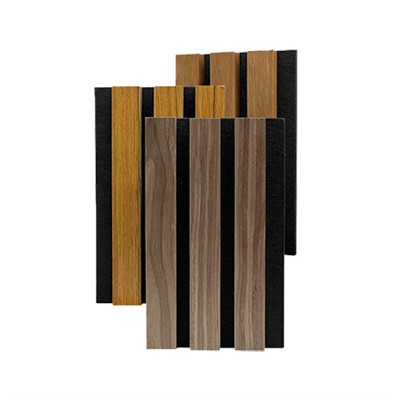
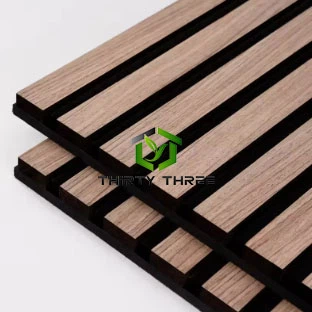
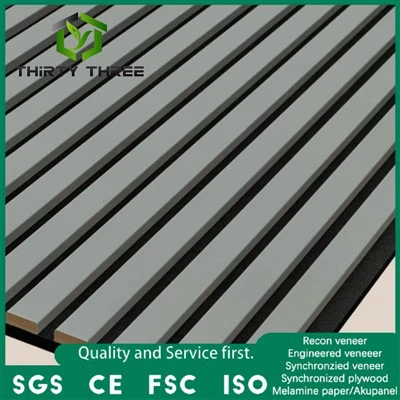
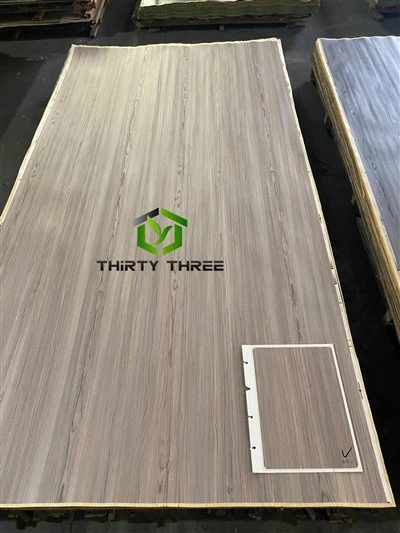
Let's first chat about what natural acoustic wall panels are. These are panels made from natural materials like wood, polyester fibers, and veneer MDF. They're designed to control sound in a space, reducing noise levels and improving acoustics. There are different types available in my product range, such as the High-quality Natural Sound-Absorbing Wood Slat Wall Panel, the Sound Insulation 3D Natural Polyester Fiber Panel, and the Natural Veneer MDF with Polyester Fiber Soundproof Board. Each type has its unique properties and benefits.


Why Schools Need Good Acoustics
Now, why is good acoustics so important in schools? Imagine a classroom filled with students chatting, pencils scribbling, and the teacher trying to deliver a lecture. Without proper sound control, it can be a real chaos. Poor acoustics can make it hard for students to hear the teacher clearly, leading to missed information and lower academic performance. It can also cause distractions, as students might be more focused on the background noise rather than the lesson.
In bigger spaces like auditoriums and gymnasiums, the problem gets even worse. Reverberations can make announcements and performances near - impossible to understand. This not only affects the teaching and learning process but also the overall school experience.
Benefits of Natural Acoustic Wall Panels in Schools
1. Sound Absorption
The primary benefit of using natural acoustic wall panels is their ability to absorb sound. Unlike hard surfaces like bare walls and floors that reflect sound waves, these panels soak up the sound energy. For example, the wood slat wall panels have a porous structure that traps sound waves. When sound hits the panel, it gets trapped in the tiny gaps within the wood, reducing the amount of sound that bounces back into the room. This results in a quieter and more comfortable learning environment.
2. Eco - Friendly
As the name suggests, natural acoustic wall panels are made from natural materials. Wood is a renewable resource, and polyester fibers can be recycled. This means that by using these panels in schools, you're making an environmentally conscious choice. Schools can teach students about sustainability by using eco - friendly products like these. It also helps in reducing the school's carbon footprint.
3. Aesthetics
Let's face it, no one wants a boring and drab school environment. Natural acoustic wall panels can enhance the look of a school. The warm tones of wood, the unique patterns of veneer MDF, and the modern look of polyester fiber panels can transform a plain classroom or hallway into an inviting space. They can be customized to fit different interior design styles, whether it's a traditional or a contemporary look.
4. Durability
Schools are high - traffic areas, and things can get a bit rough. Natural acoustic wall panels are built to last. Wood slats are strong and can withstand minor bumps and scratches. Polyester fiber panels are resistant to wear and tear, and the veneer MDF panels are also quite durable. This means that once installed, you don't have to worry about replacing them frequently, saving the school money in the long run.
Installation Considerations
Installing natural acoustic wall panels in schools is a relatively straightforward process. However, there are a few things to keep in mind. First, the panels need to be installed correctly to ensure maximum sound absorption. It's best to hire a professional installer who has experience with these types of panels.
The location of the panels also matters. In classrooms, they should be placed on the walls where there's a lot of sound reflection, like near the front of the room or opposite the windows. In auditoriums, they can be placed on the walls and ceiling to control reverberations.
Costs and Budgeting
I know that budget is always a concern for schools. The cost of natural acoustic wall panels can vary depending on the type of panel, the size of the area to be covered, and the installation costs. However, compared to some other sound - control solutions, these panels are quite cost - effective. When you consider the long - term benefits like improved academic performance, reduced carbon footprint, and durable materials, it's definitely a worthy investment.
Schools can also look for grants or funding opportunities to help cover the cost. There are often government programs and private foundations that support projects related to improving school facilities.
Maintenance
Maintaining natural acoustic wall panels is easy. Wood panels can be cleaned with a mild soap and water solution. Polyester fiber panels can be vacuumed to remove dust. The veneer MDF panels can be wiped down with a damp cloth. Regular cleaning ensures that the panels continue to perform well and look good.
Getting Started
If you're a school administrator, teacher, or someone involved in school facilities management, and you're interested in using natural acoustic wall panels in your school, don't hesitate to reach out. We can provide you with detailed information about our products, free samples, and quotes. We can also help you with the installation process and answer any questions you might have.
Improving the acoustics in your school is not just about making it quieter. It's about creating a better learning environment where students can thrive. By choosing natural acoustic wall panels, you're taking a big step in the right direction.
So, if you're ready to transform your school's acoustics and aesthetics, get in touch. Let's start a conversation about how we can make your school a better place.
References
- Acoustical Society of America. (20XX). "Best Practices for Acoustics in Educational Facilities."
- U.S. Green Building Council. (20XX). "Green Schools and Sustainable Design."
- Wood Products Association. (20XX). "Properties and Uses of Wood in Building Construction."