Hey there! I'm a supplier of recon poplar with paper, and I often get asked about using recon poplar for papermaking. So, I thought I'd dive into whether there are any limitations to using this material for that purpose.
First off, let's talk a bit about what recon poplar is. It's a popular choice for various applications, like furniture, veneers, and yes, papermaking. Recon poplar is known for being relatively fast - growing, which makes it an attractive option from a sustainability standpoint. But when it comes to papermaking, there are a few things to consider.
Fiber Characteristics
One of the main aspects to look at is the fiber characteristics of recon poplar. The fibers in recon poplar are generally shorter compared to some other trees used for papermaking, like pine. Shorter fibers can lead to a few limitations. For instance, in the papermaking process, the fibers need to bond together to form a strong sheet of paper. Shorter fibers don't bond as well as longer ones, which can result in paper that is less strong and more prone to tearing.
If you're making high - strength paper products like packaging paper or industrial paper, the shorter fibers of recon poplar might not be the best fit. You can try to compensate by adding some long - fiber pulp from other sources, but that adds complexity and cost to the papermaking process.
Chemical Composition
Recon poplar also has a different chemical composition compared to some trees that are traditional papermaking materials. It has a relatively high content of hemicellulose and lignin. Hemicellulose can make the paper more prone to shrinkage and swelling with changes in humidity. This is a big problem if you're making paper for applications where dimensional stability is crucial, like in printing on a large - scale offset press.
Lignin, on the other hand, can cause the paper to yellow over time, especially when exposed to light and oxygen. This is a major drawback for applications where the paper needs to maintain its bright white color over a long period, such as in high - end printing or art papers. To reduce the effect of lignin, more intensive chemical pulping and bleaching processes are required, which can have a negative impact on the environment and add to the production costs.
Pulping Process
The pulping process is another area where using recon poplar for papermaking can have limitations. Mechanical pulping, which is a common method for converting wood into pulp, can be a challenge with recon poplar. Due to its relatively soft nature, the fibers can be easily damaged during mechanical pulping. This leads to a lower pulp yield and can also result in a lower - quality pulp with a higher content of shives and fines.
Chemical pulping, on the other hand, is effective in removing lignin and separating the fibers. However, as I mentioned before, the high lignin content in recon poplar means that more chemicals are needed in the process. This not only increases the cost but also generates more waste and pollution.
Market Perception
There's also the aspect of market perception. Some paper buyers and users are used to the characteristics of paper made from traditional papermaking woods like spruce or eucalyptus. They might be hesitant to switch to paper made from recon poplar, especially if they're concerned about quality and performance. This can limit the market demand for paper made from recon poplar, even if the cost is relatively low.
Our Products and Their Relevance
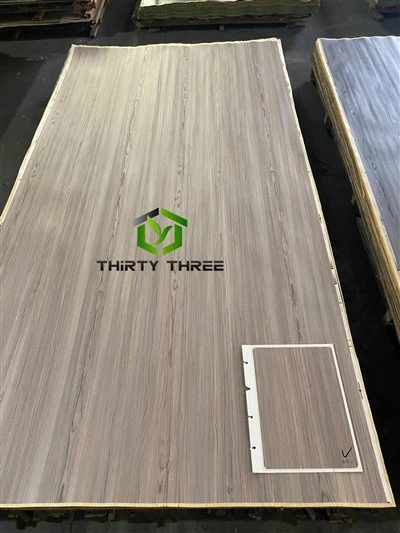
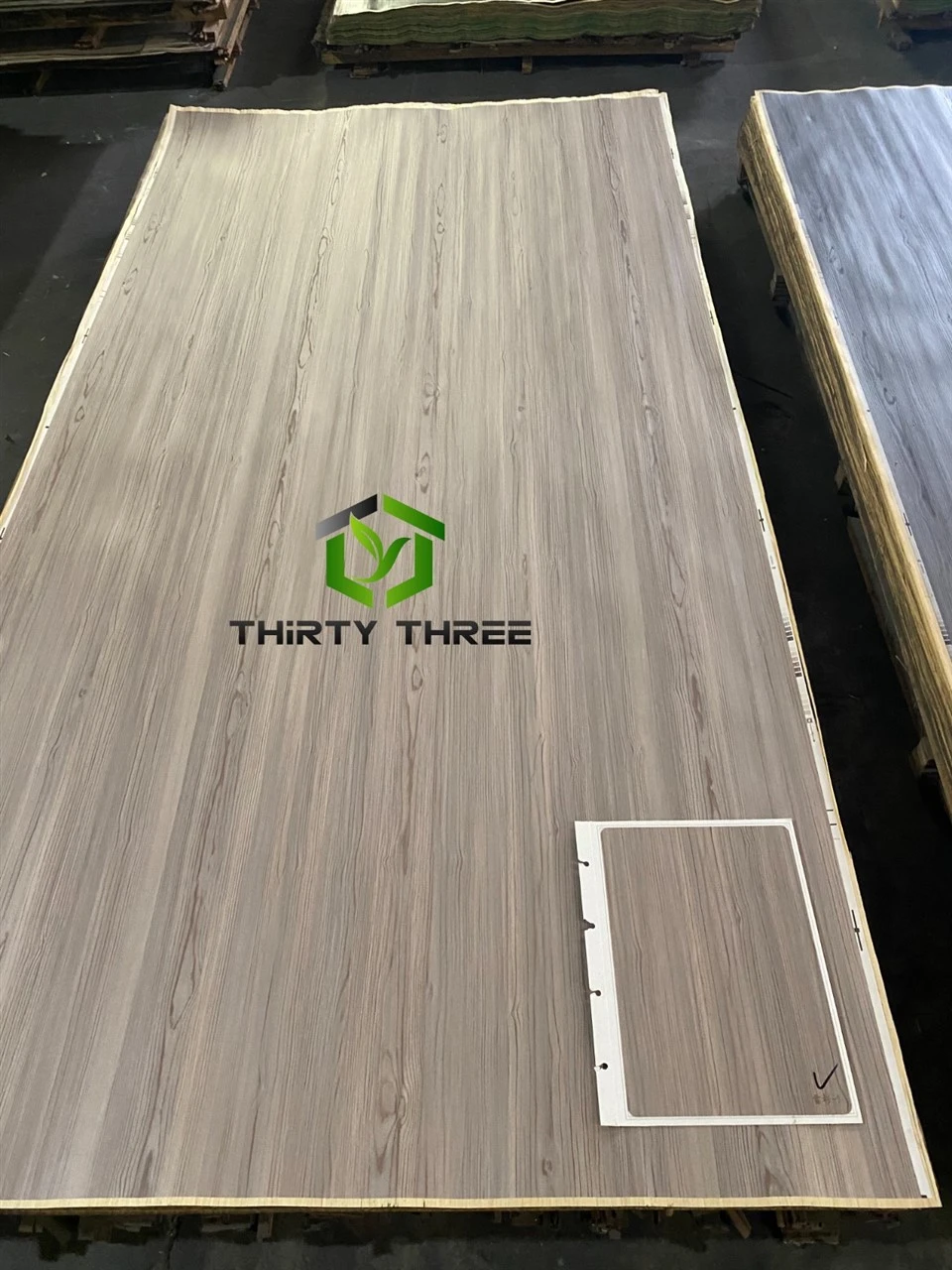
As a supplier of recon poplar with paper, I offer a range of products that might be a good fit depending on the application. For example, our Long Grain 2500x1250mm White Recon Poplar Veneer can be used in some paper - related applications where the appearance and a certain level of strength are required. It has a nice long - grain pattern which can add an aesthetic appeal to the end product.
Another product is our Factory Supplier Laminated Melamine Faced Recon Poplar. While not directly a papermaking product, it shows the versatility of recon poplar. The melamine facing provides durability and a smooth surface, which can be an inspiration for how recon poplar can be used in combination with other materials to overcome some of its limitations in papermaking.
We also have Wholesale 0.5mm White Recon Poplar Veneer. This thin veneer can be a great option for some specialty paper applications where a lightweight and flexible material is needed.
Overcoming Limitations
Despite these limitations, there are ways to make recon poplar work well for papermaking. For example, by blending recon poplar pulp with other types of pulp, you can improve the strength and other properties of the paper. Using advanced pulping and bleaching technologies can also help to reduce the negative effects of the chemical composition of recon poplar.
In addition, educating the market about the benefits of paper made from recon poplar, such as its sustainability, can help to increase its acceptance. As consumers become more environmentally conscious, the fact that recon poplar is a fast - growing and renewable resource can be a selling point.

Time to Connect
If you're in the business of papermaking or are considering using recon poplar for your paper products, I'd love to have a chat. We can talk about how we can work together to overcome the limitations and make the most of this versatile material. Whether you need advice on product selection or want to discuss custom solutions, I'm here for you. So, don't hesitate to reach out and start that conversation about procurement.
References
- "Papermaking Principles and Practice", A. S. Kamal, ISBN: 0-89852-143-4
- "Wood Chemistry, Ultrastructure, Reactions", Dietrich Fengel and Gert Wegener, ISBN: 3-527-26783-9